
REVIEW · DEATH VALLEY TOURS FROM LAS VEGAS
Sunset and Stargazing Tour in Death Valley National Park
Death Valley looks different once the sun goes down. This small-group sunset and stargazing tour strings together major viewpoints, then drops you under a real night sky. You get a comfortable air-conditioned ride plus a guide who can coach you on night photography.
I especially like the photo help during sunset and stargazing, including tips on where to stand and how to frame the scene. I also like the small-group format, which keeps the day from feeling like a cattle call as you hop between stops.
One drawback to plan for: the day runs long, and the desert can be very hot. If you are sensitive to heat, or you are traveling with kids under 5, this may not be the best fit, and service dogs are not accommodated.
Key highlights worth your attention
- Small group max 14: more room for questions and easier pacing between viewpoints
- Guide-led star tips: helpful for taking photos and knowing what to look for at night
- High points early, big vistas at sunset: Dante’s View and Zabriskie Point give you standout angles
- Badwater Basin at 282 feet below sea level: an off-the-charts, salt-flat kind of surreal
- Amargosa Opera House under clear skies: the stargazing stop is built for dark-sky viewing
Why this Death Valley sunset and stargazing day feels like two tours
This tour works because it treats the day like a light show with breaks. First you drive out to iconic viewpoints while the desert is still crisp and readable. Then the schedule shifts into night viewing, when the stars become the main event.
What makes it practical is how the stops are chosen. You are not only doing one view. You are bouncing between elevation (Dante’s View), lowest elevation (Badwater), color and erosion (Artist’s Point and Zabriskie Point), and then finally a darker-sky area for stargazing.
It also helps that the ride is air-conditioned and the group stays small. You are on the road a lot, so comfort matters. And because you are doing sunset plus stargazing, timing is everything. The guide and the route keep you from missing the best light windows.
You can also read our reviews of more evening experiences in Las Vegas



The ride from Las Vegas, long day timing, and why comfort matters
The tour is about 12 hours, and it starts early. Pickup time can vary a lot by season, with notes that it can start as early as around 2 AM, while other schedules list pickup between 8:00 AM and 1:00 PM depending on sunset time. In other words, check your exact pickup time after booking.
Plan on a full day. Even though the stops are often 20 to 50 minutes, you are stacking drive time plus several quick viewpoint windows. That is why the included air-conditioned vehicle is a real value add, not a luxury detail.
Also note the group size: up to 14 travelers. A review mentioned feeling cramped in a van when the group was larger. You cannot control that, but you can reduce discomfort by dressing for a long sit, bringing your essentials close, and choosing seats thoughtfully if you have options at boarding.
Pahrump stop: the quick breather before you hit Death Valley proper
Pahrump is your first rhythm check. You get about a 20-minute break about an hour from Las Vegas for fuel, restrooms, and snacks. Then there is also a shorter stop on the way back for about 10 minutes to refuel and refresh.
This matters because Death Valley is not a place where you want to scramble for basics. A short break like this helps you arrive at the park fresher for the viewpoint sequence. It also means you can buy snacks if you want something beyond what you bring, since food and beverages are not included.
If you are the type who gets distracted when hunger hits, I would treat this stop as your “reset button.” Use it for water sipping, restroom time, and easy calories, then settle in for the longer stretch ahead.
Death Valley Park sign: easy photo marker and your first taste of the scale
After a drive from Pahrump, you arrive at the Death Valley National Park sign. This is a 1-hour stop with the admission included.
This hour is not just sightseeing. It is a transition point. You are moving from desert highway into the park experience. That kind of buffer is helpful when you want time to settle your gear, grab a memorable shot, and get oriented before the more dramatic viewpoints.
One simple tip: keep your camera or phone accessible here. The sign stop is the moment you are most likely to want an immediate “I made it” photo, and you will not want to dig for settings later.
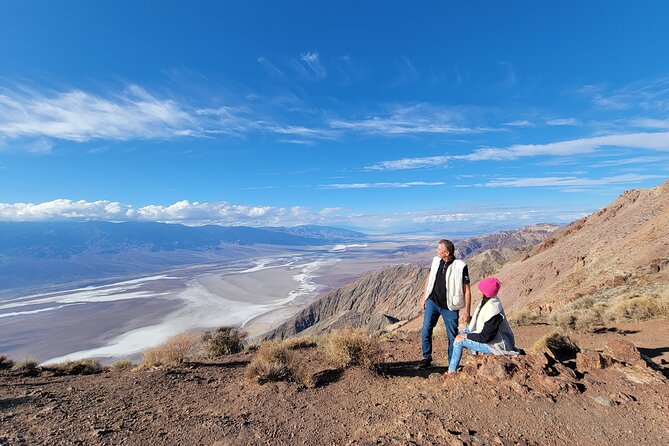
Dante’s View at over 5,500 feet: panoramic payoff with guide photo tips
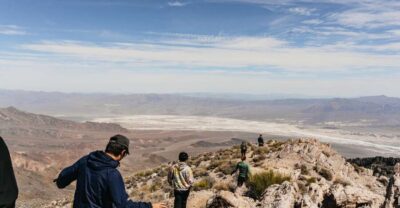
Next up is Dante’s View, reached in about 30 minutes. You are at roughly 5,500 feet above sea level, with sweeping views toward Badwater Basin and the surrounding valley. You get about 30 minutes of free time at the viewpoint, and admission is included.
This is the kind of stop that can make you stop talking for a minute. From above, Death Valley reads like a giant map of contrasts: pale salt, darker rock, and distance you cannot fully measure.
It also lines up well with photography. One of the strongest praised parts of the tour is that the guide can help with nighttime photo setup, but they also help you plan for the transition from day to dusk. Dante’s View gives you an early chance to practice framing wide shots while you still have usable light.
If you care about photos, arrive ready to move your feet. At viewpoints, the best angle is often a few steps away, not right where you first park.

Furnace Creek general store breaks: where you breathe and refuel
You hit Furnace Creek Visitor Center / General Store with two separate breaks.
First is a 20-minute stop for browsing souvenirs or grabbing a refreshment. Later you return for about a full hour of free time at Furnace Creek for a meal break and a slower reset.
Why I like these breaks: they give you a real chance to manage your energy on a long desert day. You are not relying only on short restroom windows. You get time to eat something and regroup before the big changes in scenery.
Since food and beverages are not included, this is where you will likely decide what to do about lunch. If you want more control over your diet or preferences, bring snacks from Las Vegas and use the Furnace Creek hour to top up with something simple you can buy there.
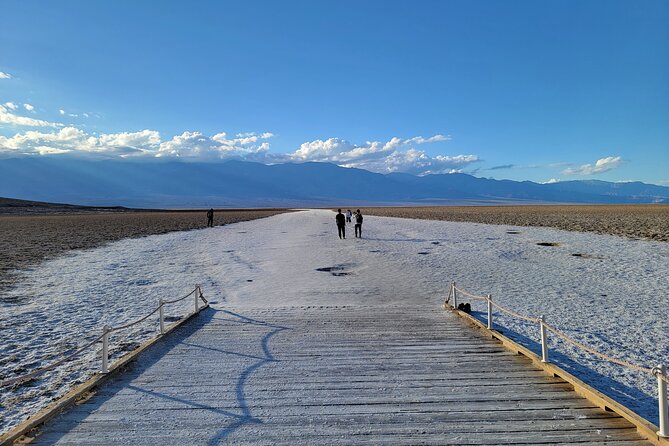
Badwater Basin: the lowest point in North America, 282 feet below sea level
Then comes Badwater, with the big hook: 282 feet below sea level and the lowest point in North America. You get about 30 minutes to explore and take photos, and admission is included.
Badwater Basin is surreal in a way that feels almost too stark. It is a salt-flat scene tied to ancient seas, and the scale makes it hard to describe without seeing it. What I like about this stop in a guided format is that you are not figuring out logistics on the fly. You simply show up, take your photos, and use the time window efficiently.
Practical note: salt flats can be bright, and the sun can feel brutal earlier in the day. Bring sunglasses if you have them, and protect your eyes. Even with breaks, you want to keep your comfort so you can enjoy the views instead of squinting through them.
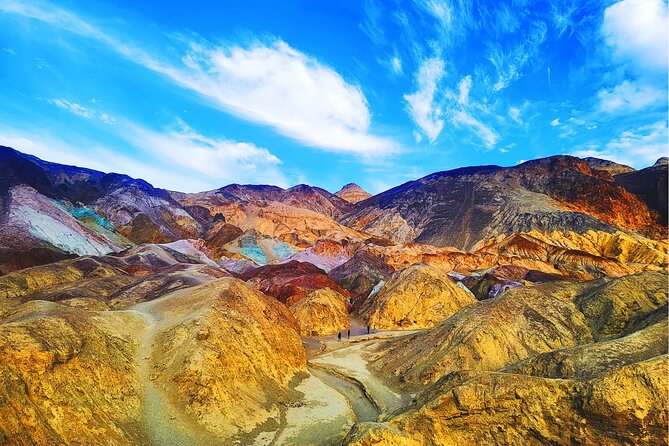
Artist’s Point (Artist’s Palette): color bands and volcanic history in view form
Artist’s Point is a short drive away, about 20 minutes, and it is tied to Artist’s Palette, where mountainsides show hues of red, pink, yellow, green, and purple. Admission is included, and you get about 30 minutes of free time to explore and photograph.
This is a different kind of scene than Badwater. At Badwater, you are dealing with flat, bright, and stark. At Artist’s Point, the interest is in the layers and tones. The colors come from ancient volcanic activity, which helps explain why the palette looks the way it does.
For photography, this is a good stop to practice detail shots. Wide shots look great, but close-ups of color bands can give you images that feel more personal and less postcard-like.
The caution is simple: 30 minutes disappears faster than you think at popular viewpoints. If you have a shot in mind, make your first attempt quickly, then wander after you secure the main angles.
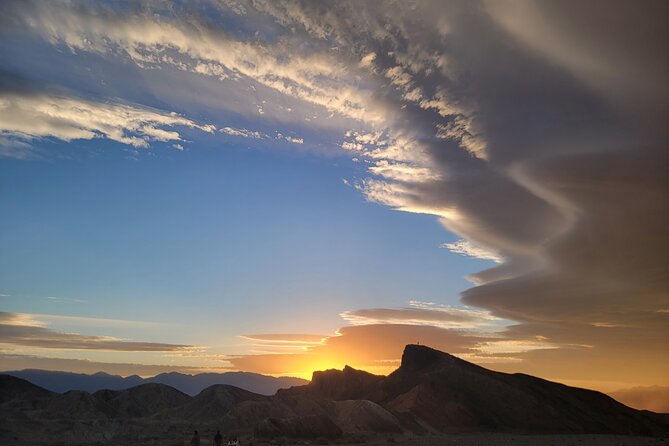
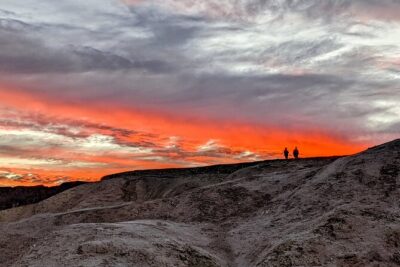
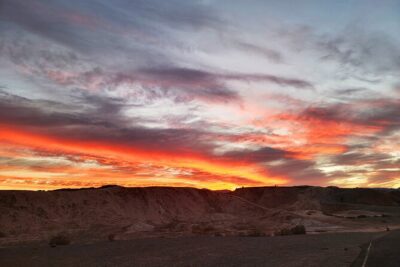
Zabriskie Point sunset timing: the viewpoint walk that sets the mood
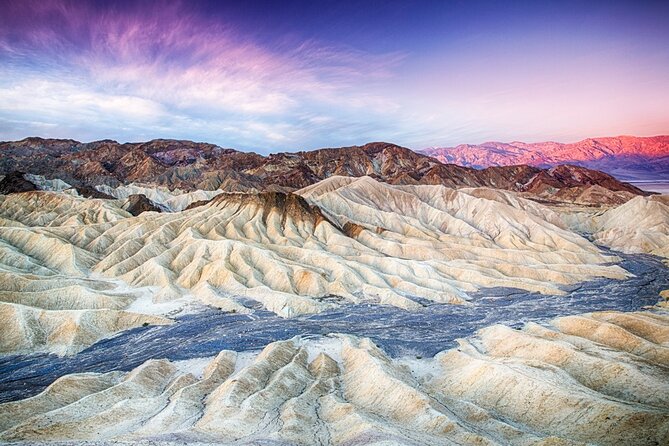
Next is Zabriskie Point, just about 10 minutes from Furnace Creek. You get 40 minutes of free time, and the tour includes a short uphill walk.
This is a sunset-focused stop. From here you look out over eroded badlands and colorful canyons. The uphill walk is not long by strict distance standards, but it does add effort at the exact moment when you want to be relaxed and ready to enjoy the light.
That is why this is also a good checkpoint for your pacing. Wear shoes you can handle on uneven ground. Move at a steady pace so you arrive at the viewpoint without feeling rushed or winded.
Zabriskie Point is also where the day’s “two tours” idea becomes real. As daylight fades, you start shifting your mindset from daytime scenic photos to darker-sky shots you will want later.
From daylight to night: Furnace Creek quick stop, then stargazing at Amargosa
You get another 20-minute stop at the Furnace Creek General Store, then the tour transitions toward stargazing.
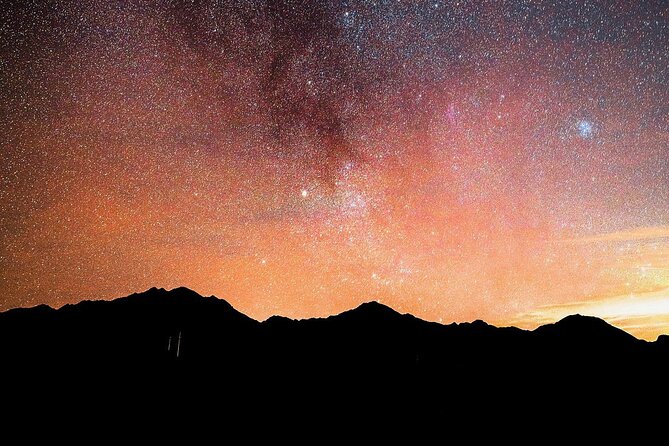
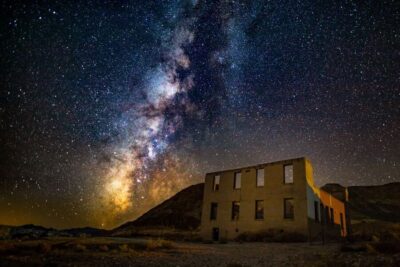
The main stargazing stop is Amargosa Opera House in Death Valley Junction, reached after about a 30-minute drive. You get around 30 minutes there, and it is described as having clear, dark skies, which is exactly what you want for night sky viewing.
This is where the guide support is most valuable. The most highly praised aspect of the tour is that the guide helps with star-gazing photography and gives tips for night viewing. A guide named Justine is specifically mentioned as awesome, friendly, and effective at timing the sunset and star gazing.
I also like that the schedule gives you a real block of darkness. Stargazing does not work if you are only in place for a few minutes. Thirty minutes is enough time to adjust, try a photo, and actually look up without feeling like the clock is winning.
Small-group, guide style, and how to use the day wisely
This tour is maximum 14 people, and it is designed for an intimate feel. That is a real benefit when you want photo coaching and you like asking questions, not just following a group line.
One review highlights that the guide was extremely friendly and took people to the perfect vantage points, with help during star gazing. Another mentions Justine being especially good at timing.
On the flip side, there is also a cautionary note from a lower rating about information gaps and communication clarity. That does not mean every guide is the same, but it does suggest a simple strategy: ask fewer, more specific questions. If you want photography tips, focus on what you are trying to capture, such as what angle or setting you should try next.
If you are sensitive to hearing the guide from the back of a van, you will probably want to sit closer to the front if you can. A good guide cannot compensate for distance, and sound can get swallowed in a vehicle during long drives.
Price and value: what $249 covers, and where you add your own spending
At $249 per person, this tour is not a bargain-basement day trip. The value comes from what you get included:
- Hotel pickup and drop-off from select locations
- Professional tour guide
- Bottled water
- All fees and taxes
- Admission being included for several major stops
That matters because Death Valley viewpoints and entrance requirements add up quickly if you plan solo. Also, the guided rhythm means you spend your time looking at the desert instead of mapping routes, finding parking, and timing sunset yourself.
Your main extra costs are straightforward: gratuities and food and beverages, since those are not included. The itinerary includes general store stops and a meal break at Furnace Creek, so you can budget for at least one meal plus snacks if you prefer more than what you bring.
If you want the simplest math: you are paying to remove the logistics burden and to get real-time viewpoint guidance, especially for sunset and night sky photography.
Who should book, and who should skip this one
This tour fits best if you want a structured day without stress and you are genuinely interested in the switch from sunset views to nighttime skies.
I would book it if:
- You want a guided photo-friendly experience at major Death Valley viewpoints
- You like small groups and appreciate a guide who helps you find good angles
- You want one day that includes both daytime icons (Dante’s View, Badwater, Artist’s Point, Zabriskie Point) and an intentional stargazing stop (Amargosa)
I would think twice if:
- You are traveling with very young kids, since it is not recommended for children under 5
- You are over 70, because hot weather makes it not recommended for that age group
- You rely on a service dog, because the tour cannot accommodate them
- You hate long days and expect a quick in-and-out outing, since this is a full 12-hour-style schedule
Should you book this Death Valley sunset and stargazing tour?
If you are aiming for a one-day Death Valley highlight reel with the star part taken seriously, I think this tour is a strong bet. The best reasons to book are the included guide support for photography and the way the timing gives you real windows at major viewpoints. The Amargosa stargazing stop is also a smart capstone, since it is tied to clear, dark skies.
I would only hesitate if you know you struggle with heat or you need a flexible, on-your-own schedule. This is a set-route day with limited free time at each stop. If you can handle that structure, you will get a full arc of scenery, from day clarity to night sky magic, without worrying about how to line it all up yourself.
FAQ
How long is the Death Valley sunset and stargazing tour?
It runs about 12 hours (approx.).
Where does pickup and drop-off happen?
The tour includes hotel pick-up and drop-off from select locations, and you return to the meeting point area at the end.
What time does the tour start?
Pickup time varies by season, with notes that it can be as early as around 2 AM and that pickup can also range from 8:00 AM to 1:00 PM depending on sunset time.
Are entrance fees included?
Yes. All fees and taxes are included, and admission is listed as included at multiple stops such as Death Valley’s sign area, Dante’s View, Badwater, Artist’s Point, and Zabriskie Point.
Is food included?
No. Food and beverages are not included. You will have free time at places like Furnace Creek for a meal break and for snacks or refreshments.
What is the cancellation policy?
You can cancel for a full refund up to 24 hours before the experience starts. If it is canceled less than 24 hours before, the amount paid is not refunded. The experience can also be canceled for poor weather, with a different date or a full refund offered.
More Evening Experiences in Las Vegas

More Tours in Las Vegas
More Tour Reviews in Las Vegas
Not for you? Here's more nearby things to do in Las Vegas we have reviewed

More Death Valley Tours from Las Vegas
 ★ 5.0Best of Death Valley Small Group Day Tour from Las VegasFrom $199644 reviews
 ★ 5.0Death Valley Sunset and Stargazing Tour from Las VegasFrom $249536 reviews
 ★ 4.9From Las Vegas: Death Valley Guided Day TourFrom $199392 reviews
 ★ 4.8From Las Vegas: Death Valley & Rhyolite Ghost Town Day TripFrom $170289 reviews
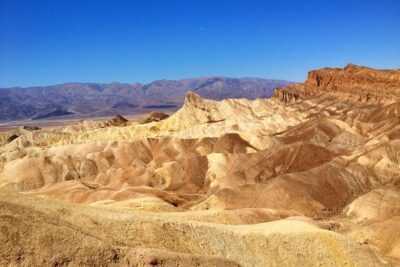 ★ 5.0Small-Group Death Valley National Park Day Tour from Las VegasFrom $279217 reviews
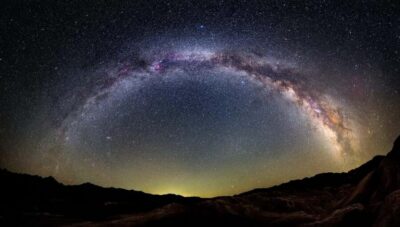 ★ 4.9From Las Vegas: Death Valley Sunset and Starry Night TourFrom $249207 reviews
Death Valley NP Full-Day Small Groups Tour from Las VegasFrom $279134 reviews
★ 4.9From Las Vegas: Death Valley Sunset and Starry Night TourFrom $249207 reviews
Death Valley NP Full-Day Small Groups Tour from Las VegasFrom $279134 reviews
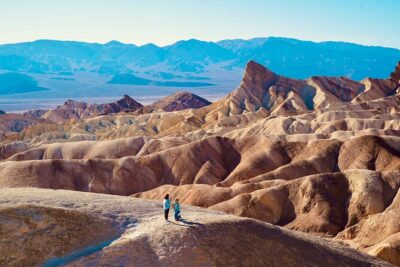 ★ 5.0Death Valley Day & Night Tour – Scenic Stops, Sunset & StargazingFrom $299124 reviews
More ways to spend the day