
REVIEW · DEATH VALLEY TOURS FROM LAS VEGAS
Las Vegas: Death Valley Sunset and Stargazing Day Tour
This day trip runs on one simple idea, desert drama in one package. You get Death Valley at its most extreme, from low points like Badwater Basin up to sweeping viewpoints like Dante’s View. Then the plan turns to night, with stargazing scheduled after sunset.
I especially like how the route hits three top priorities in one go: iconic stops, a real sunset payoff, and actual dark-sky time. I also like the small-group feel, capped at 14, with a guide who keeps the pace moving without turning the day into a sprint. The one real consideration is this is a long 12-hour day, and it is not a great match if you have mobility or medical limits.
Key things to know before you go
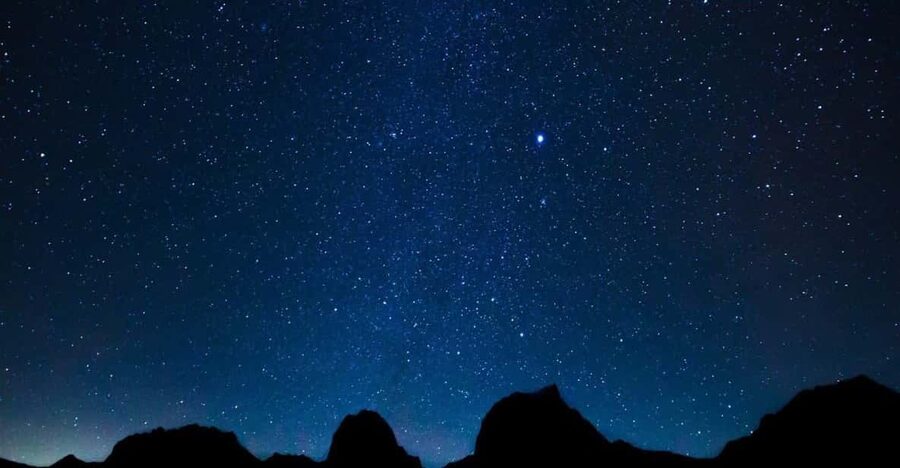
One tour, three highlight chapters: viewpoints, sunset at Zabriskie Point, then stars in Amargosa Valley.
Stargazing happens on the clock: about 1.5 hours after sunset.
Moon can steal the show: a bright moon means fewer visible stars.
You will do light walking: there are short strolls for scenery, not a full hike.
Small group size: up to 14 people, with a guide and unlimited bottled water.
Pick-up timing shifts by season: starting time can vary from 8 AM to 1 PM.
A 12-hour Death Valley day built around sunset and stars
This is not a quick, checklist-only sightseeing run. It is a full day where you experience the desert by changing elevation and light, then you cap it with night skies. If you like when a trip has an arc, this one has that. You start in daylight, move through some of Death Valley’s most dramatic features, watch the light change at Zabriskie Point, and then get time for the stars in Amargosa Valley.
Two things make this format feel worth the time. First, Death Valley’s scenery is best when you catch it more than once in different light, and the day is structured to do that. Second, the stargazing timing is built in, not left as a vague maybe. You are scheduled to be under dark skies after sunset, which is exactly what most people hope for.
You can also read our reviews of more evening experiences in Las Vegas



Pickup on the Strip, and why your start time changes
Your day starts with hotel pickup, with a long list of options on the Las Vegas Strip. The key practical point is that pickup time varies by season. Depending on sunset timing, pickup can fall anywhere from 8 AM to 1 PM. Your exact meeting time and location get sent the day before, so you cannot assume an early departure.
Because no one likes arriving late and losing access, show up in the lobby about 10 minutes early. The tour notes that late arrivals may not get refunds, which makes early arrival the smart move.
Also note the group size is limited, and the van load matters for comfort. This is a small-group tour with a professional guide, English only, and it is long enough that you will want to settle in and enjoy the ride.
Pahrump and the park sign stop: the warm-up phase
The itinerary includes a short visit in Pahrump early on, then another Pahrump stop later. In practice, those breaks do two jobs: they help the day feel less brutal, and they give you a little breathing space before the main park route.
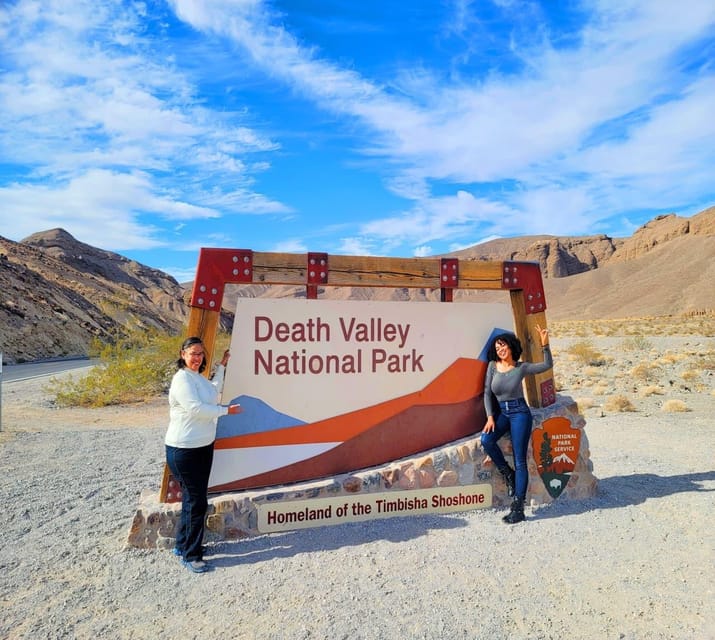
There is also a photo stop at the Death Valley National Park welcome sign with free time. It sounds simple, but this is a good early moment. You get your bearings, take your first easy photos without rushing, and you start the day with the sense you are actually in the park, not just driving through it.
Dante’s View, Badwater Basin, and Artist’s Palette: the big visual route
This part of the day is where the tour earns its reputation. You are moving through Death Valley features that feel like different worlds.
Dante’s View for sweeping height
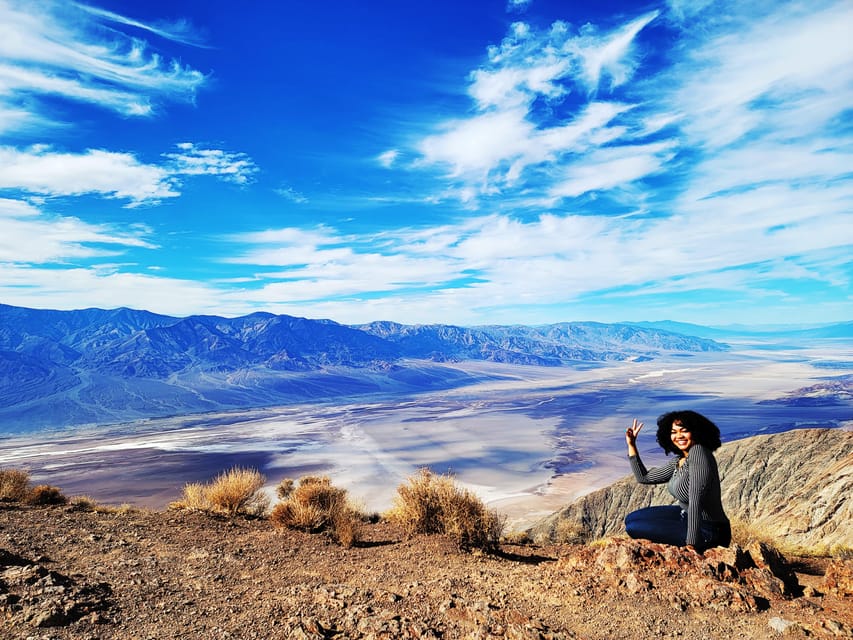
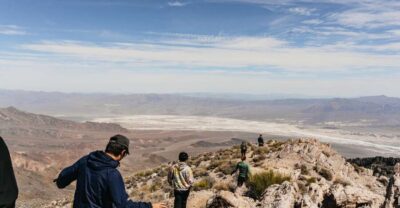
You will reach Dante’s View with a photo stop plus time to visit and look around. This is a prime viewpoint category: high vantage, wide desert views, and a chance to see the scale. The route gives you free time here, which matters because the best photos often come from just lingering long enough for your eyes to adjust and for the light to shift.
One practical tip: if you like photos, you will want to wear comfortable shoes. You will not be doing an all-day hike, but there is walking involved and the ground can be uneven.


Badwater Basin for the lowest sea level moment
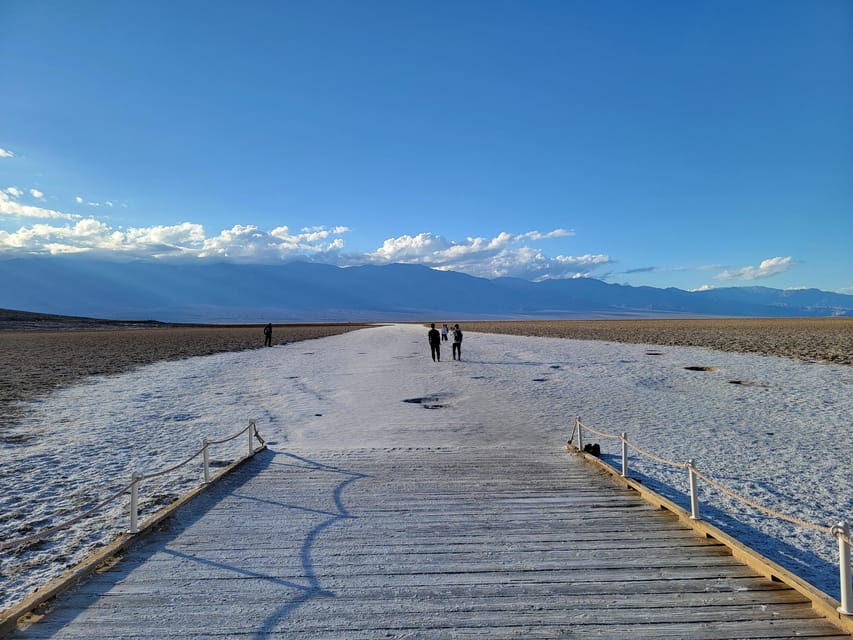
Next is Badwater Basin, again with a photo stop, time to visit, and sightseeing time. This is the famous “lowest sea level” stop, and it is memorable because it is so stark. Salt flats can look surreal, and the contrast with the surrounding desert makes it feel bigger than it is.
You should expect heat and open exposure. Sunglasses and sunscreen are explicitly recommended, and you will feel why the moment you step outside the vehicle.
Artist’s Palette for color after the open salt flats
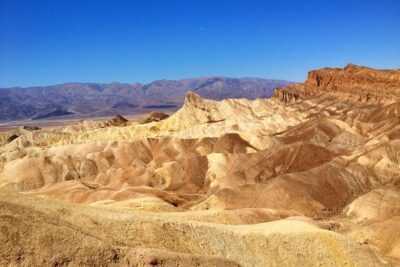
Then you hit Artist’s Palette, with photo time plus sightseeing. This is a nice rhythm change after Badwater Basin. Instead of a flat, minimal landscape, you get rainbow-toned rock formations and a more textured look.
This stop also helps the day avoid feeling repetitive. You are not just taking photos at one kind of scenery. You are getting variety in a single sequence, which is exactly what a one-day tour needs.
Furnace Creek breaks: rest, water, and the food reality
You pass through Furnace Creek twice. The first time is a shorter break, and later you get a longer stretch of free time, including another break at Furnace Creek.
Here is the food reality to plan around: food and drinks are not included. You do get unlimited bottled water, which is huge in a place like Death Valley, but you still need to budget time to buy your own food or snacks during breaks. The longer Furnace Creek stop is your best chance to actually eat, not just grab something quick.
Also, these breaks are not wasted time. On a 12-hour day, rest keeps you from turning cranky. If you want to enjoy the viewpoints fully, you need those windows to reset.
Zabriskie Point sunset: the payoff window
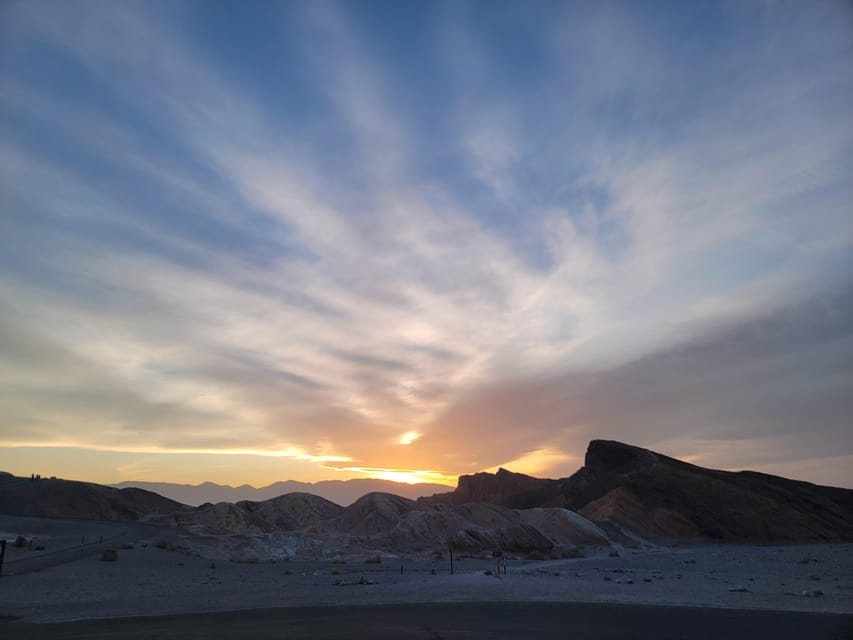
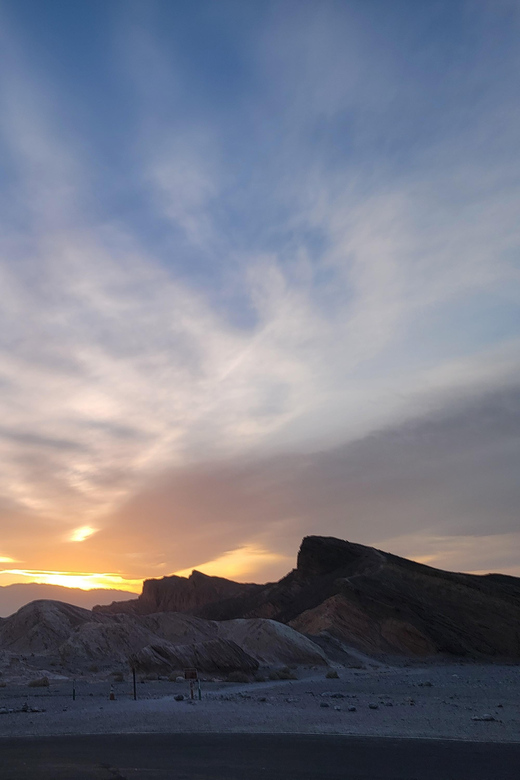
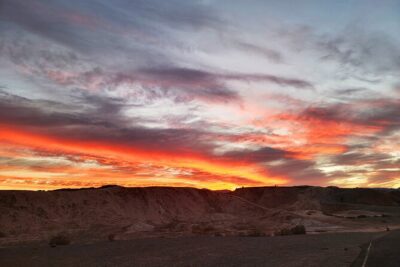
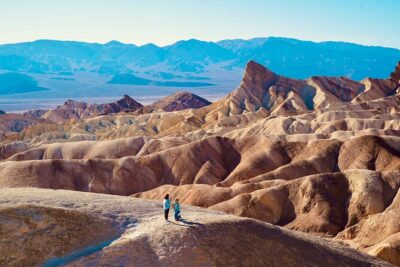
If Zabriskie Point is the highlight for you, this tour is built for that. You get time for a photo stop, visit, free time, and sightseeing at Zabriskie Point, with the day’s sunset timing as the big moment.
The tour also frames Zabriskie Point as having some of the most beautiful views in Death Valley, and that tracks with how the spot is used. This is where the desert light changes fast, shadows stretch, and colors shift in a way that feels almost cinematic. Sunset time windows are short, so the schedule matters, and the guide is there to keep the group positioned.
What if sunset conditions are less than perfect? The itinerary still flows into the night section, and stargazing is set for after sunset. So even if the sunset looks muted, the evening plan is still the plan.
Amargosa Valley stargazing: dark skies, moon limits, and photo help
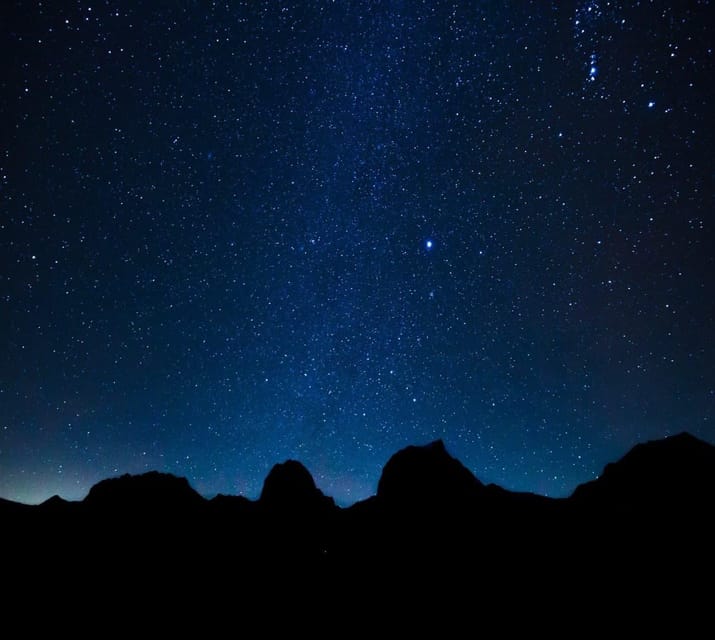
This is the reason I think the long day is worth it. After you reach Amargosa Valley, Nevada, you get time for stargazing on dark nights.
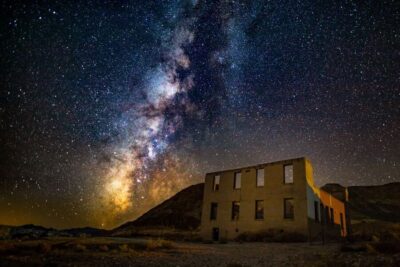
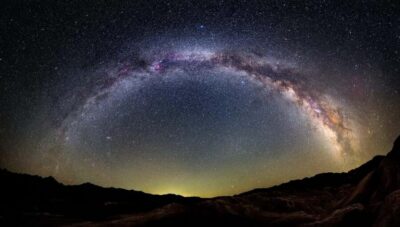
The tour states that stargazing happens about one hour and thirty minutes after sunset. That is important, because it gives you practical darkness, not just “wait until it feels dark.” If you are trying to see the Milky Way, that kind of timing helps.
There is also a clear heads-up about conditions: on nights with a bright moon or a full moon, fewer stars will be visible. That is not the operator’s fault. It is physics. If your calendar lands near a bright moon, you can still enjoy the sky, but manage expectations on star brightness.
Photo-wise, some guides in this kind of tour environment focus on nighttime photography. In past experiences with this program, guides like Steve have been noted for sharing Milky Way photography tricks, and guides such as Andrew and Justin have been praised for a strong star-focused night spot. If you care about photos, this is the time to ask your guide how to frame the sky and what settings or phone approaches work best, since they often give simple, field-tested advice.
Comfort, walking, and who should skip this one
This is a long day with multiple photo stops and sightseeing blocks. The itinerary includes light walking options so you can enjoy scenery without feeling like you are in a strenuous hike. Still, you are moving in the desert, and you should be ready for uneven ground at viewpoints.
The tour’s “not suitable for” list is meaningful. It is not recommended for:
- children under 5
- pregnant women
- people with back problems
- wheelchair users
- people over 75
- people with pre-existing medical conditions
So if you or your group needs accessibility support or has medical limits with heat, long sitting, or walking, you should choose a different style of tour.
For the rest of you, comfort comes down to basic prep: comfortable shoes, sunglasses, sunscreen, and comfortable clothes are explicitly recommended. Bring what you need for sun exposure earlier in the day, then be ready for a cooler night by simply dressing in layers you already own, if that is your style.
Price and what $249 really covers
At $249 per person for about 12 hours, the value comes from what is included, not just the number. Your package includes:
- hotel pickup and drop-off from Strip hotels
- a professional guide
- all fees and taxes
- unlimited bottled water
- a small group limited to 14 people
Food is not included, and you will need to plan for that. But most of the heavy lifting is covered: transportation, timing, guide interpretation, and access to the main Death Valley stops in a single day.
Is it “cheap”? No. But it is also not random. When you compare the effort of doing this route yourself, plus the need to time sunset and then continue into stargazing, you can see why a guided day costs what it costs. You are paying for logistics, planning, and someone who can steer you to the right viewpoint at the right moment.
What to expect from the guide, beyond just driving
This tour lives or dies by the guide’s rhythm. The best versions of this experience focus on two things: keeping the group moving efficiently, and making sure you get enough time at each key stop to actually see it.
In guides mentioned across past experiences, people have praised the way guides such as Jason and Andrew kept groups comfortable while hitting the photo points. There is also a nice touch where guides can take photos of you at scenic stops and share a recap at the end, including a short video from the day in one reported experience. That is not something you should treat as guaranteed, but it is consistent with the overall “photography-friendly” vibe.
My practical day-of checklist
Here is what will help you have a smoother day, based on the tour’s own suggestions and the reality of the route.
- Wear comfortable shoes you trust on rough or dusty ground.
- Bring sunglasses and sunscreen for the daylight hours.
- Have comfortable clothes for long time in sun and then late evening conditions.
- Plan to buy your own food and drinks during Furnace Creek breaks since nothing is included.
- If you care about stars, pay attention to moon conditions, because a bright moon reduces visible stars.
And a small mindset tip: your best photos at viewpoints often come from slowing down for five breaths, not from sprinting to the perfect spot. This tour gives you short free time blocks, so use them. Don’t rush through the moment just because the bus is waiting.
Should you book this Death Valley sunset and stargazing day?
Book it if you want a single-day Death Valley hit that includes both the classic daylight icons and a genuine night-sky payoff. The sunset at Zabriskie Point plus the scheduled stargazing in Amargosa Valley is a smart pairing, and the small group size helps the day feel organized instead of crowded.
Skip it if you know long days and desert heat plus multiple stops are a bad match for you, or if the walking and sitting time does not work with your body or medical needs. Also skip if you are looking for a short, low-effort trip. This is a full day with a real itinerary.
If you are on the fence, here is the deciding question: do you want daylight scenery and stars in one outing? If the answer is yes, this tour is one of the more sensible ways to do it from Las Vegas without turning your trip into a self-planning headache.
FAQ
How long is the Death Valley sunset and stargazing tour?
The duration is 12 hours.
What is included in the price?
The tour includes hotel pickup and drop-off, a professional tour guide, all fees and taxes, and unlimited bottled water.
Is food and drinks included?
No. Food and drinks are not included.
Where does pickup happen?
Pickup is available from hotels on the Las Vegas Strip. The exact pickup location and time are provided by your guide the day before.
When does the tour pick you up?
Pickup time varies from 8 AM to 1 PM depending on sunset time.
When does stargazing take place?
Stargazing takes place about one hour and thirty minutes after sunset.
Is the tour suitable for everyone?
It is not suitable for children under 5, pregnant women, people with back problems, wheelchair users, people over 75, or people with pre-existing medical conditions.
More Evening Experiences in Las Vegas

More Tours in Las Vegas
More Tour Reviews in Las Vegas
Not for you? Here's more nearby things to do in Las Vegas we have reviewed


More Death Valley Tours from Las Vegas
 ★ 5.0Best of Death Valley Small Group Day Tour from Las VegasFrom $199644 reviews
 ★ 5.0Death Valley Sunset and Stargazing Tour from Las VegasFrom $249536 reviews
 ★ 4.9From Las Vegas: Death Valley Guided Day TourFrom $199392 reviews
 ★ 4.8From Las Vegas: Death Valley & Rhyolite Ghost Town Day TripFrom $170289 reviews
 ★ 5.0Small-Group Death Valley National Park Day Tour from Las VegasFrom $279217 reviews
 ★ 4.9From Las Vegas: Death Valley Sunset and Starry Night TourFrom $249207 reviews
Death Valley NP Full-Day Small Groups Tour from Las VegasFrom $279134 reviews
★ 4.9From Las Vegas: Death Valley Sunset and Starry Night TourFrom $249207 reviews
Death Valley NP Full-Day Small Groups Tour from Las VegasFrom $279134 reviews
 ★ 5.0Death Valley Day & Night Tour – Scenic Stops, Sunset & StargazingFrom $299124 reviews
More ways to spend the day