
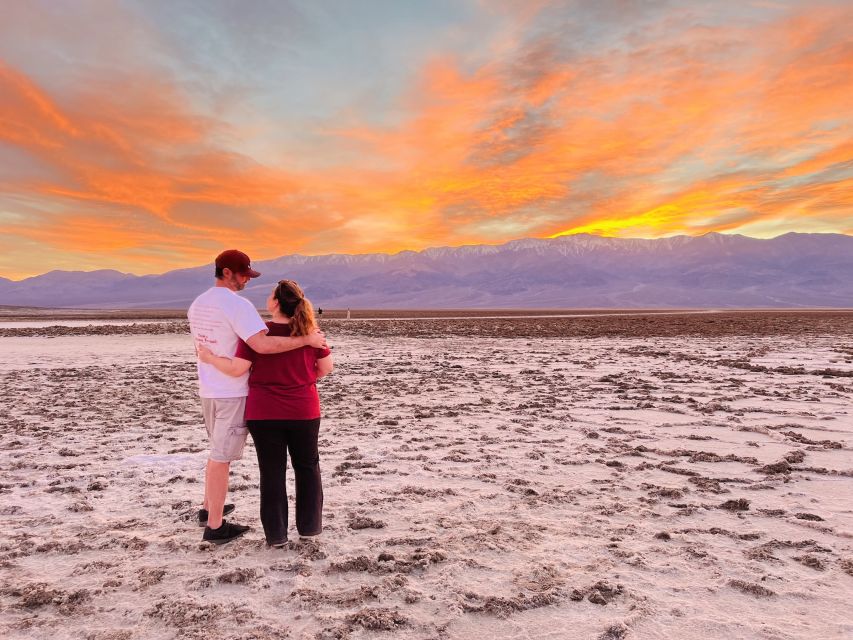
REVIEW · DEATH VALLEY TOURS FROM LAS VEGAS
Las Vegas: Death Valley Day Trip with Stargazing
Death Valley looks different at night. This Las Vegas to Death Valley day-to-night trip packs the park’s headline sights, then turns the lights down for stargazing. I love the way the guide-led photo stops keep things moving without feeling like a cattle line, and I also like that you get hands-on help for standout pictures. One thing to consider: the day is structured around photo moments and guided talk, so if you want total quiet, this may not feel relaxing.
My second big win is the rhythm built around comfort. You get a real break at Furnace Creek, with restrooms, museum-style exhibits, and time to eat, then you head back out for salt, sand, and color. The stargazing part aims for constellations, planets, and the Milky Way on clear nights, but weather can change what you see.
Key points to know before you go
- Small-group touring that connects the iconic stops without rushing you through the best views
- Professional-style photo help at multiple viewpoints, with long-exposure tips for night skies
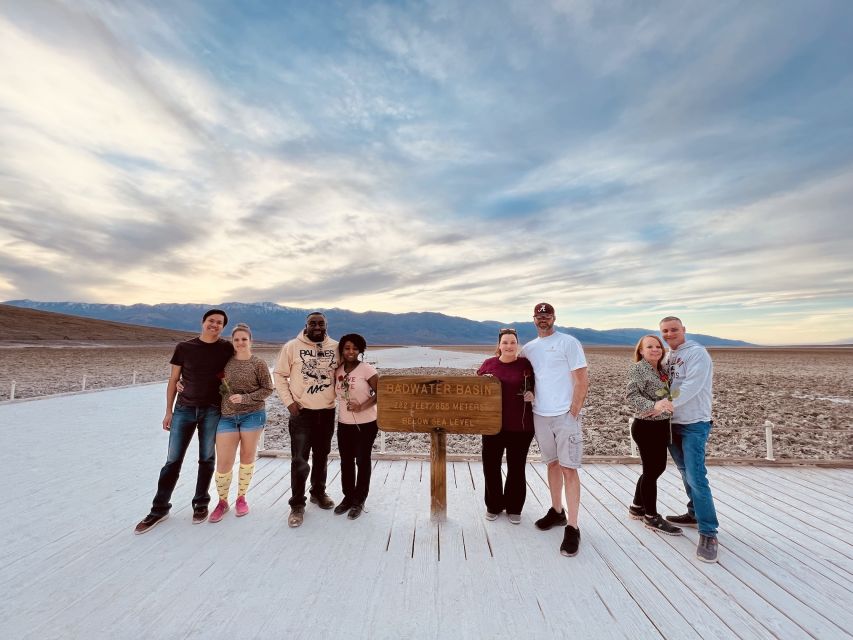
- Badwater Basin salt flats and unique salt-crystal formations on the route
- Mesquite Flat Sand Dunes at sunset time, a classic for silhouette photos and soft light
- Furnace Creek break with museum-style exhibits and a dinner window
- Stargazing near Death Valley Junction, where the sky gets dark and clear-night views are the goal
Entering Death Valley with hotel pickup and an 11-hour game plan
This tour is built for people who want the highlights of Death Valley but do not want to manage driving, parking, and timing on their own. You start with hotel pickup and drop-off from select points along the Las Vegas Strip, plus express security screening so you are not stuck waiting. Then you settle into a van and point north toward one of the most dramatic places in the U.S.
The full day-to-night timing matters. Death Valley is at its best in two very different ways: daytime brings texture and scale, and after dark you get the sky show. This itinerary is designed so you do not just arrive, snap a few shots, and leave before the temperatures and light change.
You are looking at an all-day commitment, about 11 hours total, so plan to treat it like a real day trip, not a quick add-on. Wear comfortable shoes and keep your phone charged. You will use it more than you think.
More Las Vegas tours and experiences for the shortlist

Your first stop in the desert: the Welcome Sign photo moment
Right after pickup and initial driving, you get an early photo break at the Death Valley Welcome Sign. It sounds simple, but it is useful. It gives you a quick visual marker for the day, helps everyone get oriented, and lets you start with the desert vibe before you hit the bigger viewpoints.
This early moment also sets the pace. The tour leans toward an unhurried flow, which helps in a place where heat and sun can wear you down fast. You will still be busy later, but you are not starting the day sprinting.
Dante’s View and Zabriskie Point: when the desert turns into golden geometry
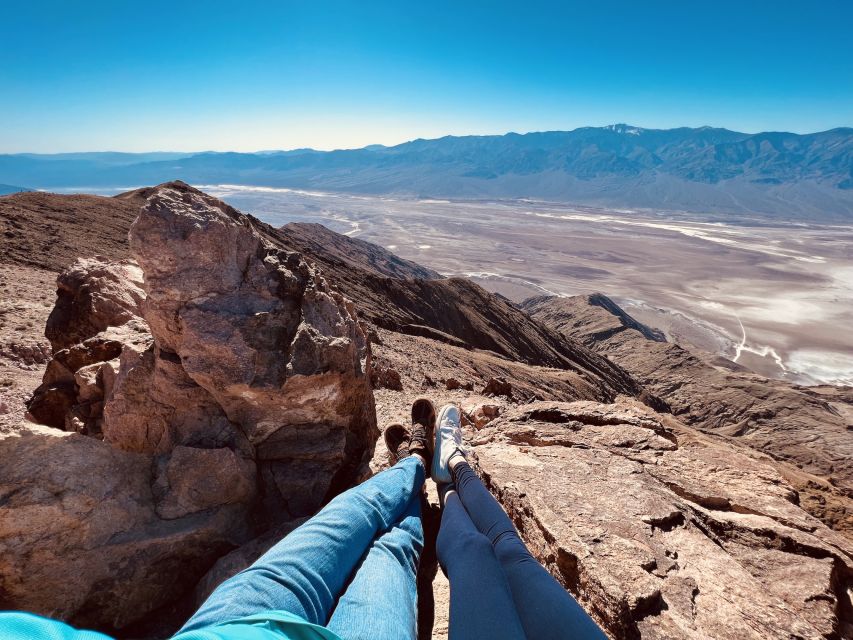
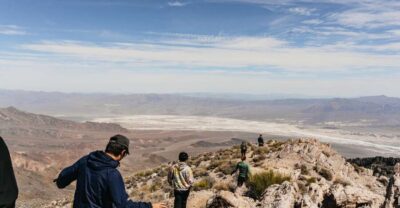
The first true viewpoint style stop is Dante’s View. Expect a photo stop plus guided sightseeing, with about 30 minutes to take it in. Dante’s View is the kind of place where you understand why Death Valley gets so much attention. The goal here is wide-angle scale, not a single photo. Take a few minutes to look for the contours in the distance, then commit to your best angles.
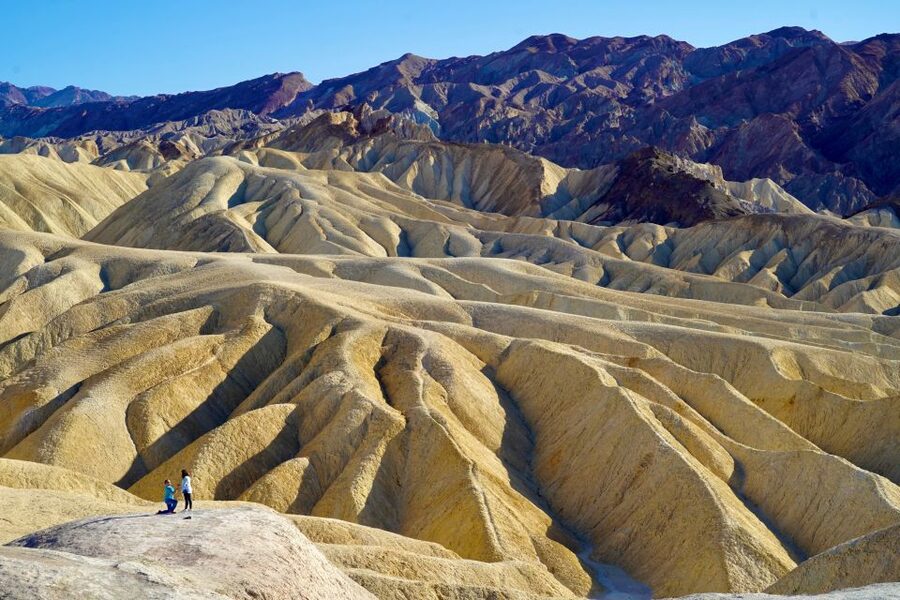
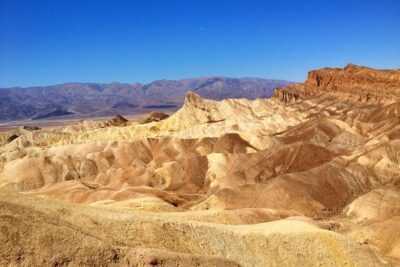
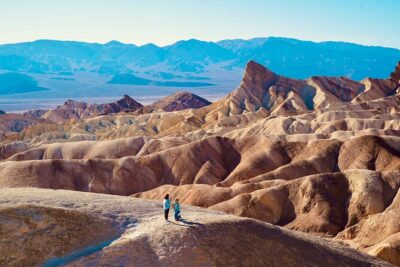
Next is Zabriskie Point, another headline stop that pairs scenic overlooks with time for walking and a short hike, around 30 minutes. This is where the park’s golden badlands look at their most dramatic, especially when the light hits the rock and sand in a warm tone. You get photo stops plus guided tour and sightseeing, so the guide can help you choose spots with better sight lines.
Practical advice: bring sunglasses and a sun hat, even if you think you will only be outside briefly. These viewpoints can feel open and exposed. Also, if you are prone to overpacking for photos, remember you cannot bring luggage or large bags, so keep it simple.
Mesquite Flat Sand Dunes and the classic salt terrain
After the viewpoints, the tour shifts from rock and color to sand and salt textures. Mesquite Flat Sand Dunes is scheduled as a photo stop with guided tour and walking time, again about 30 minutes. This is a favorite for soft light and silhouettes, especially as the day moves toward sunset. Walk out at a comfortable pace, notice how footprints and wind shapes alter the patterns, and keep an eye on how the color shifts as the sun angle changes.
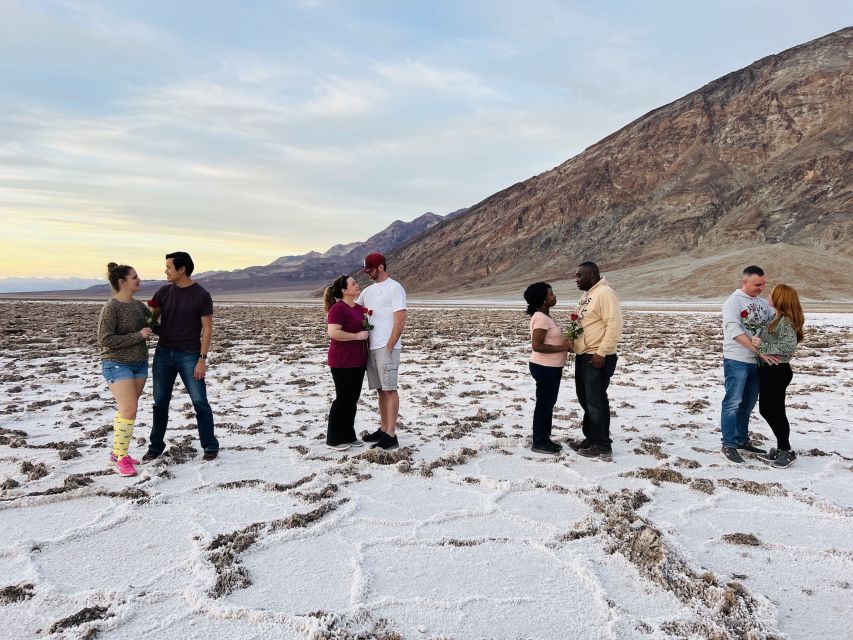
Then you move into the salt world. The plan includes Badwater Basin, the lowest point in North America, with a photo stop plus guided visit and a walk. You are not just looking at a flat white surface. The goal is to see salt-crystal formations and the strange textures that form where water and minerals behave differently than in most places you know.
Also on the route are dramatic formations at Devils Golf Course. Even if you are not a geology nerd, it hits. It looks like the surface of another planet, and it is a great contrast to the dunes you just walked.
Artist’s Palette: mineral colors that actually pay off for patient eyes
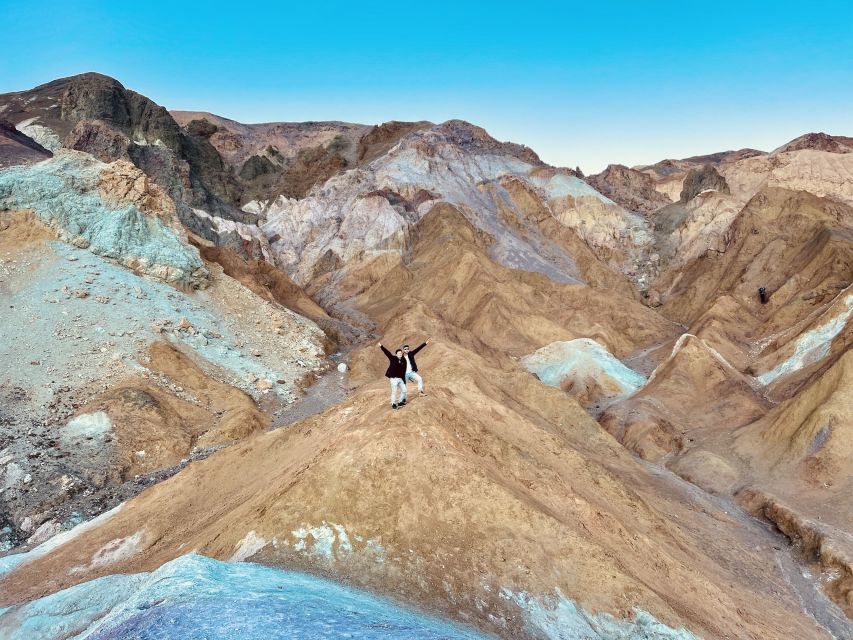
Artist’s Palette is the stop you will want to slow down for, because it rewards attention. The hills are described as mineral-rich, with shades of pink, green, and purple. You get a photo stop plus guided sightseeing and time for hiking, about 30 minutes.
This is where the guide’s photo support can really matter. Color can look subtle if you just glance and move on, but with someone helping you choose angles and timing, you tend to get stronger results. You are basically learning how to see, not just where to stand.
What I like about including a stop like this is variety. After sand and salt, you get color and form again, and the day stays interesting instead of turning into one long series of “big emptiness” shots.


Furnace Creek: restrooms, museum-style exhibits, and your dinner window
Around the middle of the day you reach Furnace Creek, California for a substantial break, about 45 minutes. This is not just a bathroom stop. It includes restrooms, museum-style exhibits, and time that works for a relaxing dinner break plus some free time.
I like this part because it gives you a reset. Death Valley can be demanding, and a planned pause keeps the day from feeling like you are always chasing the next viewpoint while your energy drains. The tour also includes a sandwich and water, which is a real help when you are trying to stay comfortable without constantly buying snacks.
If you want to make the most of the museum-style exhibits, do not treat it like a box you check. Use it to understand what you are seeing outside. Even a quick look can make the later salt, dunes, and colorful hills feel less random.
Sunset viewing over the mountains: the hour that changes everything
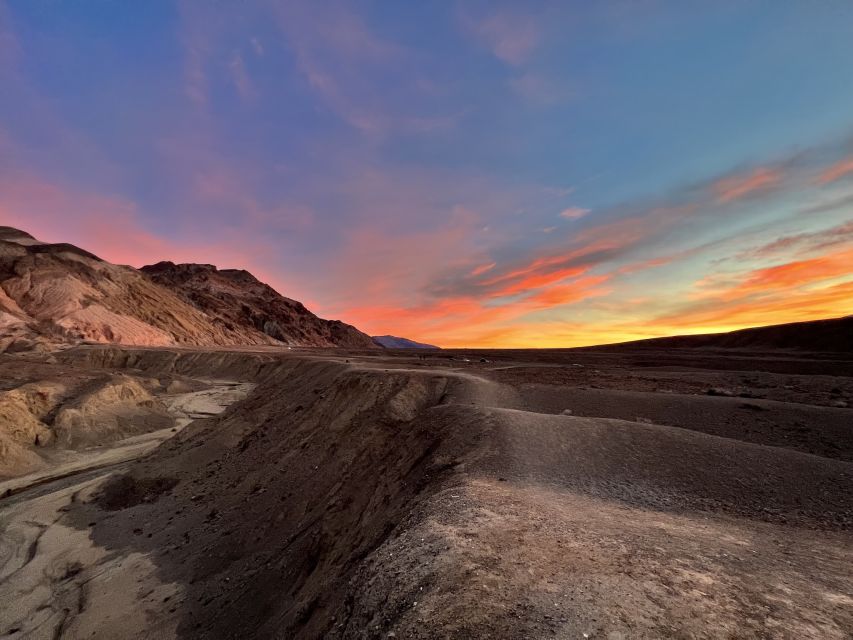
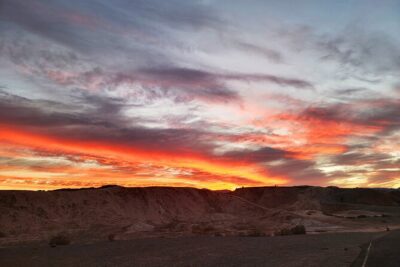
After your Furnace Creek stop, you head out again for the light shift. The tour includes a remote viewpoint for sunset viewing after dinner time. You are watching the sky and mountains change tone, which is a different kind of photography challenge than the midday shots.
Sunset is also when people often feel the fatigue in their legs. You have been walking at viewpoints and dunes. This part is timed so you get a genuine payoff before dark, with enough time to settle into the scene without racing back to the van immediately.
Death Valley Junction stargazing: constellations, planets, and Milky Way odds
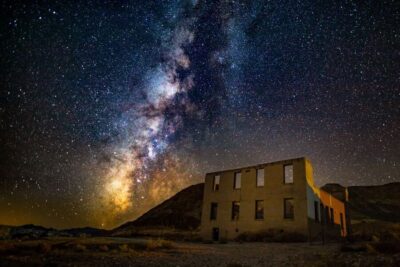
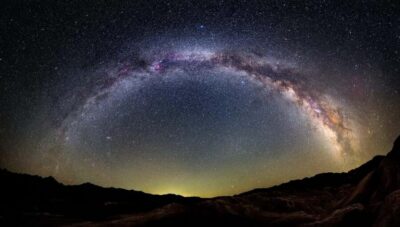
Once darkness falls, the itinerary moves to Death Valley Junction, described as a quiet desert location ideal for stargazing. The plan is to see constellations, planets, and the Milky Way on clear nights.
This part is where the tour goes beyond normal sightseeing. You are not just standing somewhere and hoping for a good sky. The guide helps you enjoy the night safely and shares photography tips for long-exposure shots. If you have ever struggled with getting stars to show up in a photo, that coaching can be the difference between fuzzy dots and a usable image.
Bring a charged smartphone and consider a sun hat for the ride earlier, even if it feels less relevant once it is night. During stargazing, it is mostly about patience, dark adaptation, and not rushing the setup.
Weather note: if the night is cloudy, the view can be limited. In extreme environments like this, the sky can change quickly, and stargazing is only as good as the conditions.
The guide and the photo approach: why some people love it, and when it can feel like too much
The tour leans into photography. It is built with multiple photo stops, and the guide is known for taking cool photos and helping guests capture images at key locations. Some reviews specifically mention guides like Jay and Alex for being professional and for producing standout results.
That said, here is the balanced part. One downside showing up in feedback is that the photo and posing rhythm can feel too structured for people who prefer space and silence. If you are uncomfortable with being asked to pose or with a lot of ongoing narration while the scenery is right there, plan your mindset. You can still enjoy the scenery, but you may need to communicate what you want. A simple preference like taking your own photos in your own way can help the experience feel more personal.
Getting back to Las Vegas: a long day ends with practical comfort
After stargazing and the night-sky viewing, you return by van with a restroom stop in Pahrump before being dropped back at your original pickup area. That is a small detail, but on a long day it matters.
You will likely feel the total time in your body, especially if you spent extra time walking at viewpoints and dunes. Build in a low-key plan for the evening afterward. This is not the day to add a dinner reservation across town.
Price, included value, and what you are really paying for
At $299 per person with a roughly 11-hour schedule, you are paying for convenience plus a guide-driven route. What you get that often costs real money if you do it on your own:
- Hotel pickup and drop-off along the Las Vegas Strip area (Mandalay Bay to The STRAT)
- Entrance to Death Valley
- Express security check
- A live guide in English, Spanish, or Italian
- A sandwich and water
- Guided stops at multiple iconic landmarks plus stargazing support
If you drive yourself, you can control pacing, but you also take on the planning load: getting the route right, figuring out parking, and timing for sunset and night skies. The tour handles the timing, and the guide handles the “where should we stand for the best shot” question.
Is it worth it for everyone? If your priority is chilling out and sightseeing at your own tempo, you might feel boxed in. If your priority is hitting the big sights with minimal stress and you like photo coaching, this price can start to make sense.
Who should book, and who might want to skip
This tour fits best for adults and older teens who are comfortable with walking at multiple stops. It is not suitable for children under 5, and it is also not suitable for people with mobility impairments or wheelchair users, since the experience includes walking at dunes and viewpoints.
It is also not set up for unaccompanied minors. If you are going with family, plan supervision and movement needs carefully.
If you are the type who loves iconic “I finally saw it” destinations, this is a strong pick. You cross off major Death Valley highlights in one day and you get night-sky viewing that most self-guided plans do not handle as smoothly.
Should you book this Death Valley stargazing day trip?
I think you should book if you want a complete Death Valley day that goes beyond daytime snapshots, with sunset and stargazing built in. The combo of Furnace Creek downtime, major landmarks, and long-exposure stargazing tips gives you more than a standard sightseeing day.
You might skip it if you dislike structured group pacing, because the day includes multiple photo moments and guided talk. Also, if stargazing is your one and only goal, remember weather can limit views, and the schedule is designed around making the most of whatever conditions arrive.
If you do book, set expectations early: comfortable shoes, sunscreen, and a phone ready to go. And if the photo approach is not your style, let the guide know your preference so you can enjoy the desert on your terms.
FAQ
Where are the pickup and drop-off locations?
Pickup and drop-off are available from options on the Las Vegas Strip, from Mandalay Bay to The STRAT. If you are staying off-Strip or along the route, you can provide your pickup address when booking and they will try to accommodate locations that are reasonably on the way.
How long is the Death Valley day trip?
The tour runs about 11 hours total.
What is included in the price?
Included are hotel pickup and drop-off, entrance to Death Valley, a sandwich, water, an express security check, and a live tour guide (English, Spanish, Italian).
Is stargazing part of the tour?
Yes. After dark, you go to a remote viewpoint near Death Valley Junction for stargazing, where you can see constellations, planets, and possibly the Milky Way on clear nights. The guide also shares photography tips for long-exposure shots.
What should I bring?
Bring comfortable shoes, sunscreen, cash, weather-appropriate clothing, a sun hat, and a charged smartphone.
Is the tour suitable for kids or mobility needs?
It is not suitable for children under 5, and it is not suitable for people with mobility impairments or wheelchair users.
Can I cancel for a refund?
Yes. Free cancellation is available up to 24 hours in advance for a full refund.
More 1-Day Tours in Las Vegas

More Tour Reviews in Las Vegas
Not for you? Here's more nearby things to do in Las Vegas we have reviewed



More Death Valley Tours from Las Vegas
 ★ 5.0Best of Death Valley Small Group Day Tour from Las VegasFrom $199644 reviews
 ★ 5.0Death Valley Sunset and Stargazing Tour from Las VegasFrom $249536 reviews
 ★ 4.9From Las Vegas: Death Valley Guided Day TourFrom $199392 reviews
 ★ 4.8From Las Vegas: Death Valley & Rhyolite Ghost Town Day TripFrom $170289 reviews
 ★ 5.0Small-Group Death Valley National Park Day Tour from Las VegasFrom $279217 reviews
 ★ 4.9From Las Vegas: Death Valley Sunset and Starry Night TourFrom $249207 reviews
Death Valley NP Full-Day Small Groups Tour from Las VegasFrom $279134 reviews
★ 4.9From Las Vegas: Death Valley Sunset and Starry Night TourFrom $249207 reviews
Death Valley NP Full-Day Small Groups Tour from Las VegasFrom $279134 reviews
 ★ 5.0Death Valley Day & Night Tour – Scenic Stops, Sunset & StargazingFrom $299124 reviews
More ways to spend the day