

REVIEW · MUSEUMS
Las Vegas: BODIES | The Exhibition at the Luxor
Real bodies, real learning, and a lot to process. Step into Bodies…The Exhibition at the Luxor, where the human body is presented with clear labels and big-picture lessons about how systems work. You’ll get close-up organ detail in a way that feels more educational than graphic, even if it is undeniably intense.
I especially like the balance of scale and clarity, you can go from whole-body views down to organs and partial specimens without getting lost. I also like that the information is set up to guide you at your own pace, including written explanations that make the science click. The one drawback to keep in mind is that it can feel cool inside, so a light layer is a smart idea.
Key things that make this exhibit worth your time
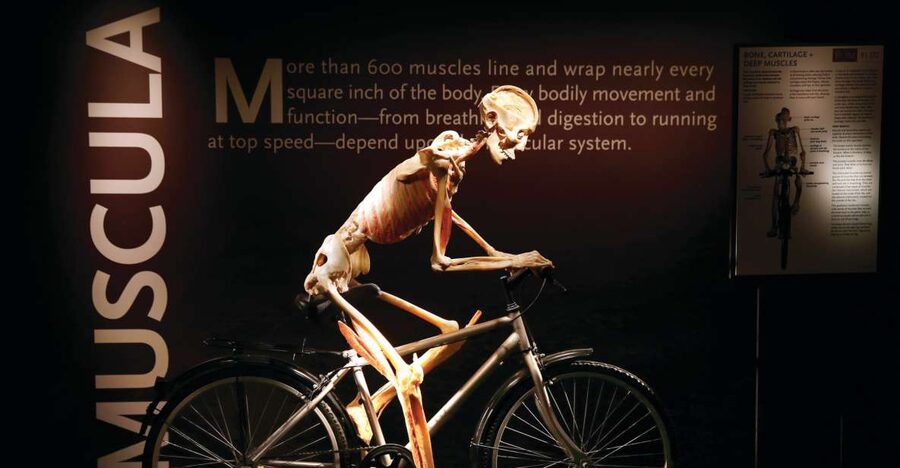
- 13 whole-body specimens plus 260+ organs and partial body displays
- Clear, system-based layout for skeleton, muscles, respiratory, and circulatory views
- Lifestyle comparisons showing effects of inactivity and overeating
- Healthy vs. black lung to connect smoking to real lung damage
- Shorter, calmer feel compared with some Vegas attractions, with helpful staff
Bodies…The Exhibition at the Luxor: what you will see (and why it sticks)
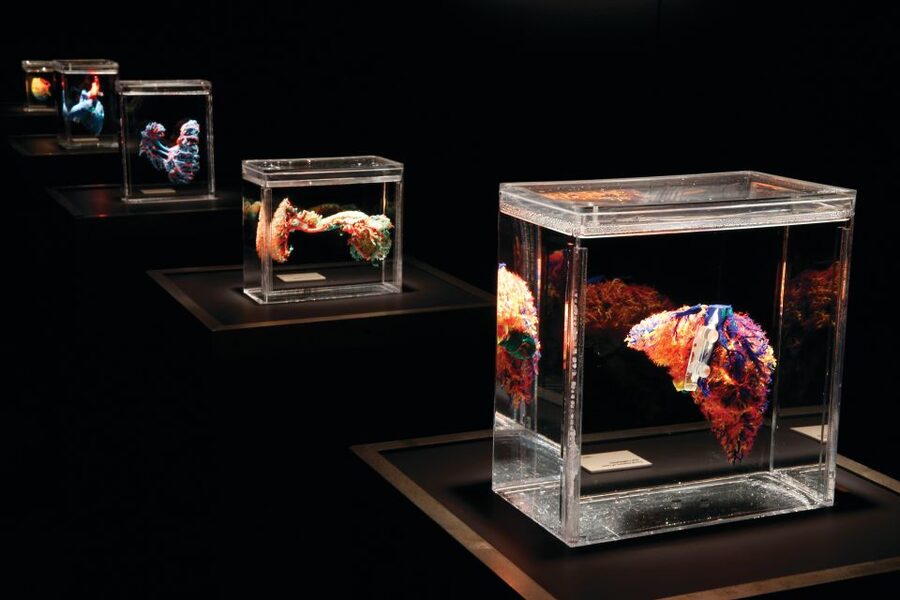
This isn’t a hands-on science museum, it’s something more personal. Bodies…The Exhibition uses carefully preserved human specimens to show what your body looks like from the inside, from structure to function. It’s built around the way the body is organized, so you can start with the big picture and then zoom in on the details.
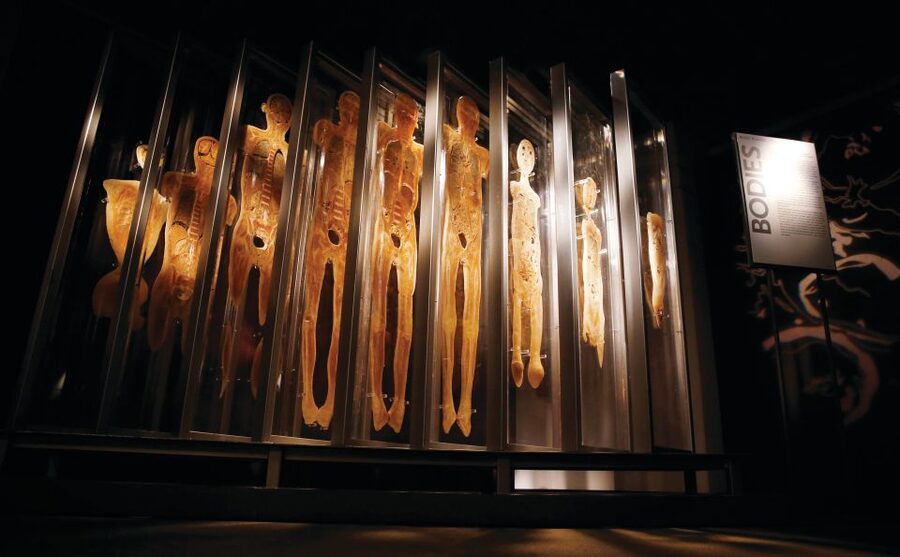
If you love anatomy, you’re going to like how much is included. The exhibit features 13 whole-body specimens, plus more than 260 organs and partial body specimens. That combination matters, because you get both context (how parts relate) and specifics (how organs actually look).
Even if you’re not a “science person,” you’ll likely remember the comparisons. The exhibit connects body systems to real-life habits, including smoking and how inactivity or overeating can change organs. It’s the kind of display that makes you think, not just look.
You can also read our reviews of more museum experiences in Las Vegas



Price and value at $44, plus the timing that matters
At $44 per person for about 1 day admission, the value comes down to one thing: time on your feet. This is the sort of exhibit where you can easily spend real attention, because there’s a lot to read and a lot to observe. If you give it around an hour, you’ll feel like you actually understood what you saw, not just walked past it.
You also get practical perks. Admission includes access to the exhibition itself, and there’s a stated last entry at 5:00 PM. There’s also a skip-the-ticket-line benefit, which helps if you are trying to fit it into a busy Vegas day.
One timing note for future planning: the exhibit closes early on Superbowl Sunday (2/8/26), with hours from 11:00 AM to 4:00 PM and last admission at 3:00 PM. If you’re visiting around that date, check the day closely before you plan dinner and shows.
Walking through the gallery: a smart way to see the whole human form
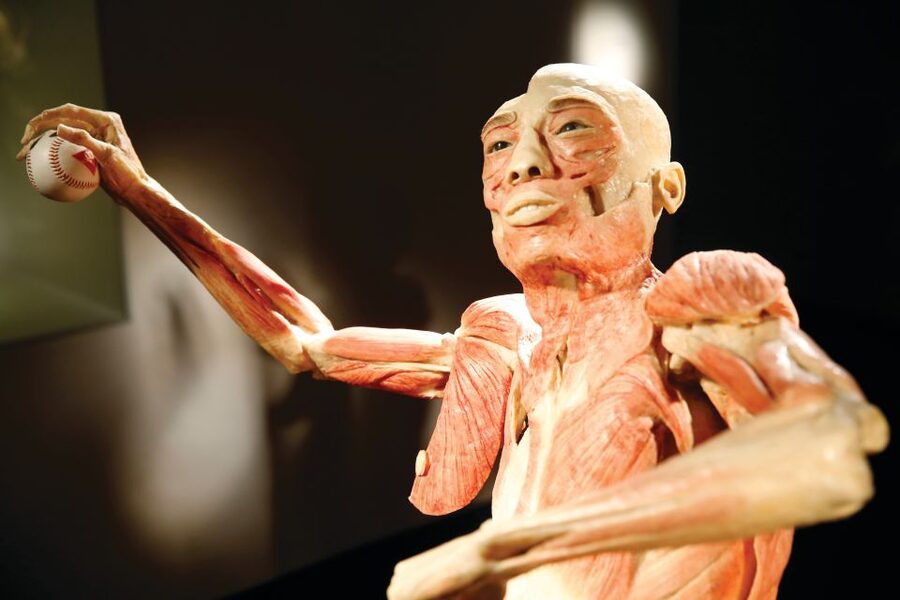
Your “itinerary” here is really the flow of the exhibits. You’ll walk through sections that focus on different systems and levels of detail, starting broad and moving into specifics. You can think of it as a guided path even though it’s self-paced.
First, you’ll encounter the whole-body specimens, which are your orientation point. Seeing a complete form helps your brain map what you’re looking at. It’s easier to understand an organ when you can also picture where it sits and what surrounds it.
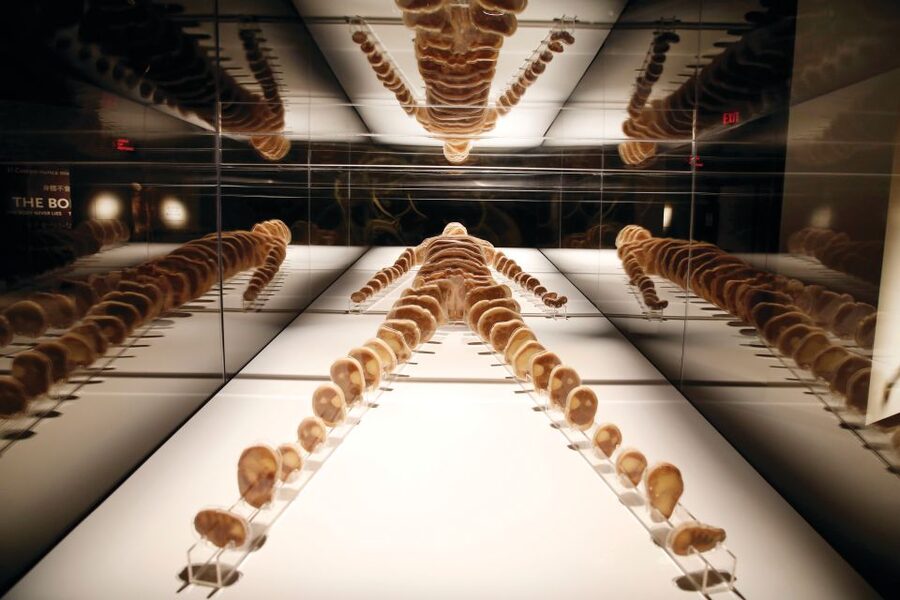
Next comes the organ and partial specimen displays, where the exhibit shifts from “where” to “what.” You can expect up-close views of the skeletal system and muscles, as well as more detailed looks at the respiratory and circulatory systems. This is where the labels and written information matter, because the same organ can look very different depending on what you are learning to notice.
Then you hit the parts that connect body systems to behavior. The exhibit includes examples showing how humans can impact their bodies in different ways, including the effects of over-eating and inactivity on organs. These panels tend to change the mood from “anatomy lesson” to “lifestyle wake-up call,” because you’re not only looking at structure, you’re looking at consequence.
The lung section that makes smoking feel real

Some exhibits show anatomy. This one also tries to make a point about risk. One of the strongest, most memorable elements is the exhibit’s side-by-side approach to lung health.
You’ll see a healthy lung displayed next to a lung ravaged by smoking. That comparison is simple, but powerful, because it turns a common health warning into something you can actually picture. You are not just hearing that smoking damages the lungs, you’re seeing the difference in a way your brain can hold onto.
If you’re coming with teens, a partner who’s “curious but squeamish,” or someone who thinks they already know everything about health, this is often the section that gets them to slow down and read. It’s also where the exhibit’s educational design really pays off, since it ties a visible outcome to a behavior.
Practical tip: in the lung area, take an extra minute before moving on. The labels are part of the learning. If you skim, the science becomes harder to remember.
Lifestyle damage: overeating and inactivity, explained through organs
Not every anatomy display makes the body feel connected to everyday choices. This one does. There are sections that show how the body changes with over-eating and inactivity, using authentic preserved specimens to demonstrate effects on organs.
What I like about this approach is that it doesn’t rely on abstract advice. It gives you something visual to attach to the concept. That matters, because it’s easy to know a fact and still ignore it, but it’s harder to dismiss what you can see and understand.
This is also a good reason to pace yourself. If you rush through the behavioral sections, they can feel heavy without becoming clear. If you read the written explanations slowly, you’ll likely get more meaning out of them, especially if you came expecting something purely “gross” or purely “cool.”






Comfort, crowd level, and why the Luxor location changes the vibe
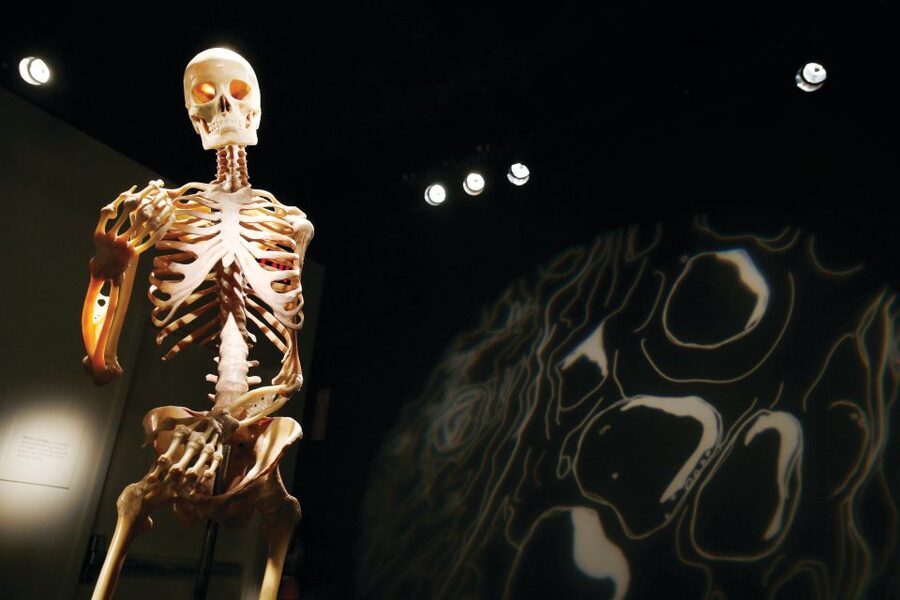
The Luxor setting is a double-edged sword. You’re in the middle of one of the biggest entertainment zones on the planet, but the exhibit itself is designed to feel like a focused experience rather than a chaotic tourist rush.
One common theme from people who do this as part of a Vegas itinerary is that it feels well displayed and not crazy busy compared with other Vegas stops. That’s important because a detailed anatomy exhibit rewards calm. You want time to read, look closer, and reorient yourself.
Also, plan for temperature. One person noted that it can be very cold indoors, so bring a light layer even if it’s hot outside. This is the kind of small comfort move that lets you enjoy the exhibit longer instead of rushing because you’re uncomfortable.
Rules that affect your visit: cameras, bags, and minors
Before you go, know the do and don’t list so you’re not stuck adjusting plans at the door.
Cameras are not allowed, so leave your photo plans at home. Smoking is also not allowed. For bags, luggage or large bags are not allowed, so travel light if you can. If you’re hauling a backpack, consider whether it qualifies as a “large bag” based on the venue rules.
Minors have restrictions too. Unaccompanied minors are not allowed. Guests under 18 must be accompanied by an adult. Children three (3) and under are free when accompanied by an adult, with no ticket required for that age group.
If any of this is a concern, it’s worth thinking through now. The exhibit is easiest when you show up prepared, because you can get moving quickly and focus on what you came for.
How long should you plan for, and when to go
The activity is listed as 1 day, which is really about museum-style admission rather than a timed tour. That said, you should still plan for a meaningful chunk of time.
A good rule of thumb is to plan for about an hour, give or take, depending on how much you read and how close you stop at each specimen. If you’re the kind of person who likes to understand what you’re seeing rather than just passing through, longer is normal.
When to go? Use the last entry time as your anchor. Since last entry is at 5:00 PM, you can structure a day around an afternoon visit and still have time for dinner or a show afterward.
Who should book Bodies…The Exhibition, and who might want to think twice
This is a strong fit if you like anatomy, science, and real-world explanations of body systems. It’s also a good choice if you want a Vegas activity that’s quieter, more reflective, and less dependent on big crowds.
It also works well for people who want educational value you can take home mentally. The exhibit doesn’t just show structure. It connects systems to smoking, overeating, and inactivity, which makes the experience feel more like information you can apply.
If you are sensitive to graphic themes, keep in mind that this is still about real human specimens. You don’t have to be “fearful” to find it intense. It’s more about discomfort and emotional impact than it is about shocks and gore, but the subject matter is real.
Should you book Bodies…The Exhibition at the Luxor?
I’d book it if you want one Vegas activity that trades flashing lights for real anatomy education, and you like learning that makes a lasting impression. At $44, you’re paying for access to a large number of preserved specimens, plus the written explanations that help you connect what you see to how the body works.
I would pause and rethink if you’re traveling with a child who is not ready for intense subject matter, or if cameras and bag restrictions would complicate your day. In that case, you might prefer a lighter attraction where you don’t need to adjust how you pack.
If you go, go prepared: travel light, skip the camera plan, bring a light layer, and give yourself enough time to read. Then you’ll get the best kind of takeaway, the kind that makes your body feel less like an abstract concept and more like something you can actually understand.
FAQ
Where is Bodies…The Exhibition located?
It’s at the Luxor Hotel & Casino, at Bodies…The Exhibition at the Luxor Hotel & Casino (the meeting point).
How much does it cost?
The price is $44 per person.
How long does the visit take?
The experience is listed as 1 day admission. The exhibit is designed for you to explore at your own pace once you’re inside.
What is included with admission?
Your ticket includes admission to the exhibition, and you’ll be able to enter up to the stated last entry time.
What time is the last entry?
The last entry into the exhibit is at 5:00 PM.
Are cameras allowed?
No. Cameras are not allowed.
Are minors allowed to attend?
Guests under 18 must be accompanied by an adult. Unaccompanied minors are not allowed. Children three (3) and under are free when accompanied by an adult, with no ticket required for that age group.
Is it open on Superbowl Sunday?
It closes early on Superbowl Sunday (2/8/26). Hours are 11:00 AM to 4:00 PM, and the last admission is at 3:00 PM. Regular hours resume on February 9th, 2026.
More Museum Experiences in Las Vegas



More Tour Reviews in Las Vegas
Not for you? Here's more nearby things to do in Las Vegas we have reviewed











More Museums
 ★ 5.0Ticket for ARTE Museum Las VegasFrom $502,106 reviews
 ★ 4.5Las Vegas Mob Museum Admission TicketFrom $341,295 reviews
 ★ 4.4Madame Tussauds Wax Museum Las VegasFrom $29601 reviews
 ★ 4.5Titanic: The Artifact Exhibition at the Luxor Hotel and CasinoFrom $36350 reviews
 ★ 4.5Titanic Artifact Exhibition at the Luxor HotelFrom $36280 reviews
 ★ 5.0Paradox Museum in Las Vegas: Exit Reality, Enter Fun IllusionsFrom $33180 reviews
 ★ 4.7Arte Museum Las Vegas Immersive Art ExhibitionFrom $50162 reviews
 ★ 4.0Admission to The Neon Museum in Las VegasFrom $25128 reviews
More ways to spend the day