

Pick the right kind of Vegas.
Neon after dark, canyon roads at sunrise, headline rooms and desert trails: see what each booking includes and which one fits your time.
Seven bookings that earn their place.
A canyon day, a night above the Strip, a headline show and an easy desert escape: these are the reservations that can shape the whole visit.
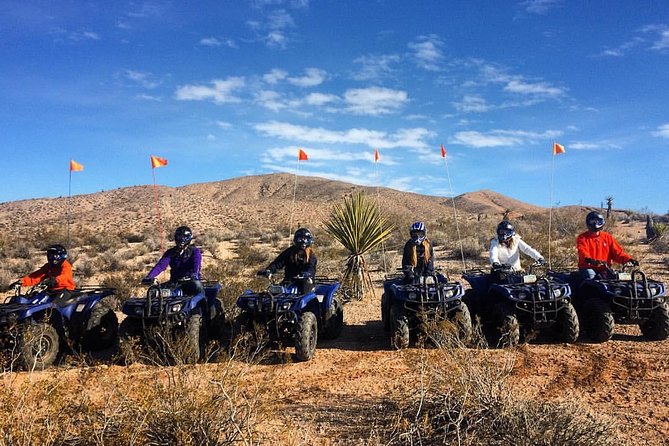
Half-Day Mojave Desert ATV Tour from Las Vegas
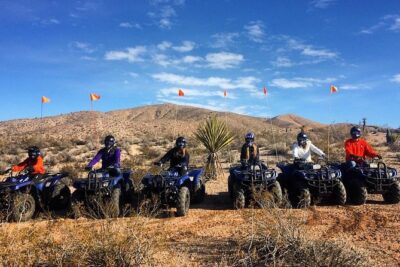
A half-day Mojave Desert ATV tour from Las Vegas with guided riding on an exclusive private track near Lake Mead.
From $100 per person
Read the review →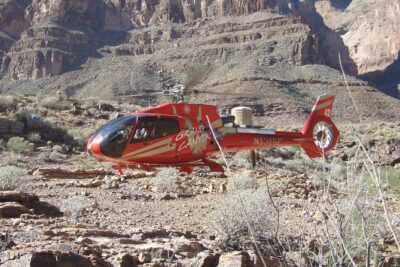 ★ 4.0First-night pickGrand Canyon West Bus Tour with Hoover Dam and Optional SkywalkFrom $857,224 reviews
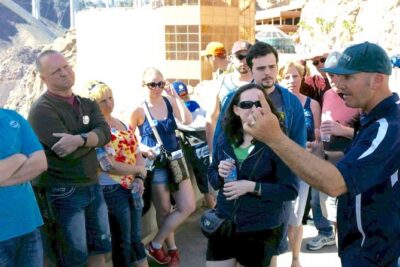 ★ 5.0Books out earlyUltimate VIP Hoover Dam Tour from Las Vegas with LunchFrom $596,782 reviews
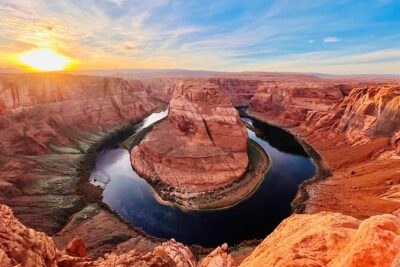 ★ 5.0Big Vegas energyLower Antelope Canyon and Horseshoe Bend Day Tour with LunchFrom $1606,764 reviews
 ★ 4.5Worth the driveLas Vegas Helicopter Night Strip Flight Tour with Optional DinnerFrom $895,693 reviews
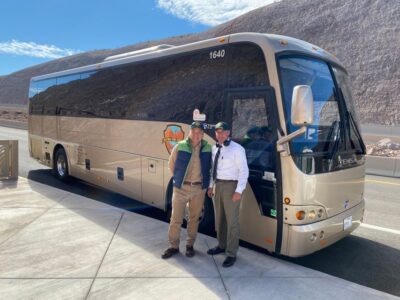 ★ 4.6Easy winGrand Canyon, Hoover Dam, Lunch/Skywalk Options, WiFiFrom $905,521 reviews
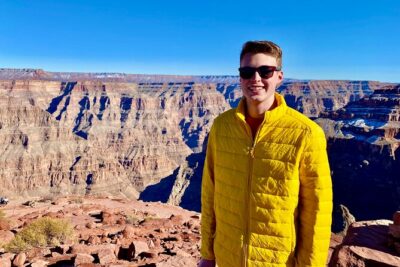 ★ 5.0Canyon classicGrand Canyon + Hoover Dam View + WiFi (Skywalk/lunch options)From $1195,222 reviews
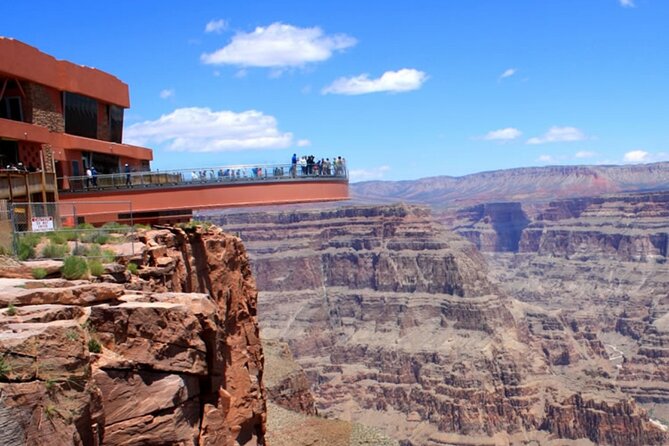
The Grand Canyon deserves the full day.
West Rim routes trade driving time for the Skywalk and rim viewpoints. South Rim trips run longer but reach the national park’s wider, deeper views. Choose the rim first, then compare the stops.
How far from the Strip?
The right desert booking depends on how much of the day you want to give it. Compare a landmark half-day, a close red-rock escape and the long canyon run.
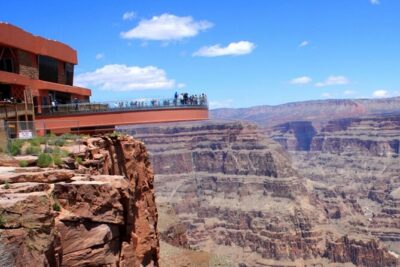 The horizon day
Grand Canyon
11 to 12 hours (approx.) · from $109 · 19,535 reviews
Leave before breakfast for a full-scale desert day. West Rim puts the Skywalk and Hoover Dam combinations within reach; South Rim rewards the longer drive with the national park’s broadest viewpoints.
Compare canyon routes →
Half a day works
Hoover Dam
11 to 12 hours (approx.) · from $109 · 19,535 reviews
Pick this when you want a landmark without surrendering the evening. The best routes include the bypass bridge, time on top of the dam and enough context to understand the machinery below.
See Hoover Dam tours →
The horizon day
Grand Canyon
11 to 12 hours (approx.) · from $109 · 19,535 reviews
Leave before breakfast for a full-scale desert day. West Rim puts the Skywalk and Hoover Dam combinations within reach; South Rim rewards the longer drive with the national park’s broadest viewpoints.
Compare canyon routes →
Half a day works
Hoover Dam
11 to 12 hours (approx.) · from $109 · 19,535 reviews
Pick this when you want a landmark without surrendering the evening. The best routes include the bypass bridge, time on top of the dam and enough context to understand the machinery below.
See Hoover Dam tours →
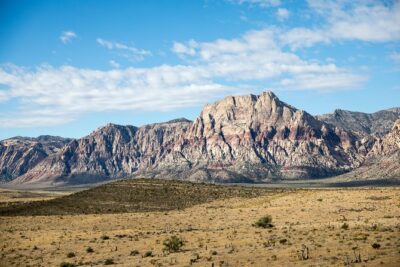 Closest to the Strip
Red Rock Canyon
4 hours (approx.) · from $135 · 2,174 reviews
Red sandstone, a scenic loop and open desert sit just beyond the western suburbs. Go by e-bike, scooter car or hiking trail and still be back before the city lights switch on.
Find a Red Rock escape →
Closest to the Strip
Red Rock Canyon
4 hours (approx.) · from $135 · 2,174 reviews
Red sandstone, a scenic loop and open desert sit just beyond the western suburbs. Go by e-bike, scooter car or hiking trail and still be back before the city lights switch on.
Find a Red Rock escape →
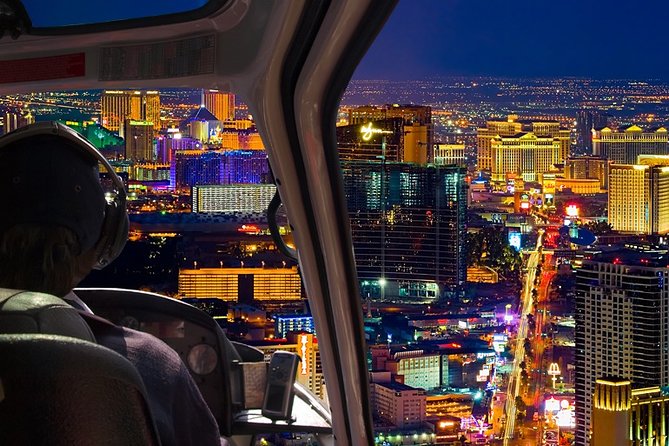
Vegas makes more sense after dark.
See the Strip from a helicopter, an open-top bus or a stage seat close enough to catch the sleight of hand. The city’s best hours begin when the desert sky turns black.
The stage is part of the destination.
Acrobatics, close-up magic and long-running headliners fill rooms built around the performance. Start with the kind of night you want, then choose the seat.



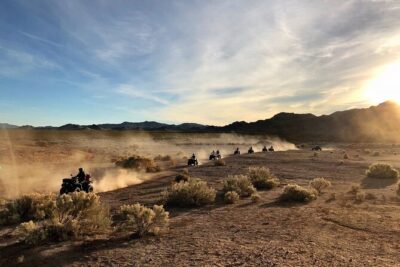
The desert has its own horsepower.
ATVs on open sand, electric rides through Red Rock and off-road routes past dry ridges put the Mojave within an easy drive of the hotels.


Hoover Dam fits before the first show.
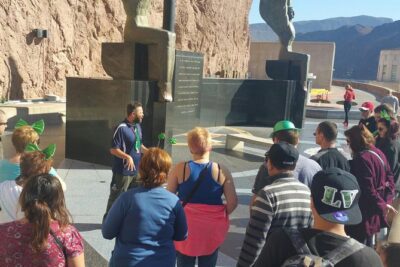
The best half-day routes pair bridge views with time on the dam and the story of the people who built it. Add Seven Magic Mountains when you want colour on the return drive.
Neon canyon or the real one?
The Strip for spectacle. Hoover Dam for a sharp half-day. Red Rock for the close escape. Grand Canyon for the road that deserves an early alarm.
What should Vegas feel like?
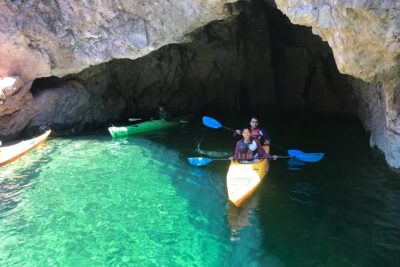
A front-row night, a flight over the Strip, a paddle below canyon walls or a dusty run across open desert: start with the experience, then compare the details.




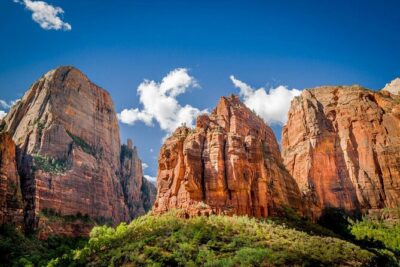
Six desert roads worth taking.
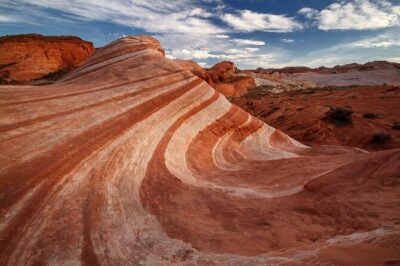
A dam cut into black canyon, striped sandstone, slot canyons and the immense drop of Grand Canyon all begin with a pickup under the casino lights.
Three days, three different worlds.
Give the Strip one evening, the desert one full day and the stage one proper night. That rhythm leaves room for a pool, a long dinner and an unplanned detour.
 Day 1
Learn the Strip after dark
Settle in, eat early and take one guided pass through the lights. A high viewpoint or night flight gives the boulevard its scale before you walk it.
Build the first night →
Day 2
Give the canyon the daylight
Take the early pickup, choose West Rim or South Rim and let the desert do the talking. Keep the return evening loose after the long road.
Choose the canyon route →
Day 1
Learn the Strip after dark
Settle in, eat early and take one guided pass through the lights. A high viewpoint or night flight gives the boulevard its scale before you walk it.
Build the first night →
Day 2
Give the canyon the daylight
Take the early pickup, choose West Rim or South Rim and let the desert do the talking. Keep the return evening loose after the long road.
Choose the canyon route →
 Day 3
Slow down, then take a seat
Use the morning for the pool or Red Rock, save the afternoon for dinner and end with the show you would only book in Las Vegas.
Pick the final-night show →
Day 3
Slow down, then take a seat
Use the morning for the pool or Red Rock, save the afternoon for dinner and end with the show you would only book in Las Vegas.
Pick the final-night show →
Latest Las Vegas tour reviews.
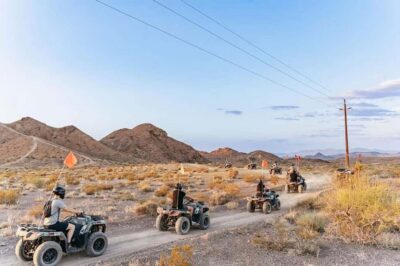 ★ 5.0Ultimate Desert ATV/UTV Drive Yourself ExperienceFrom $973 reviews
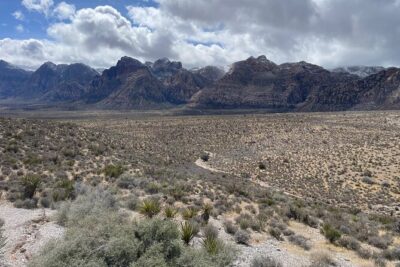 ★ 5.0Redrock Hikes Come See Our South West Historic BeautyFrom $773 reviews
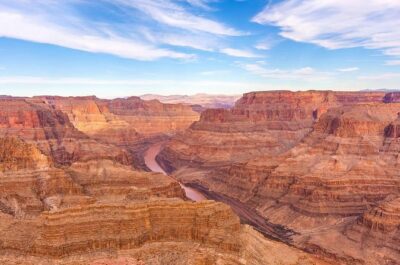 ★ 4.5LAS VEGAS: Grand Canyon West Rim and Hoover Dam TOURFrom $2143 reviews
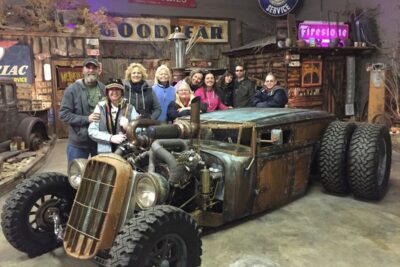 ★ 5.0Las Vegas Strip Tour & Food3 reviews
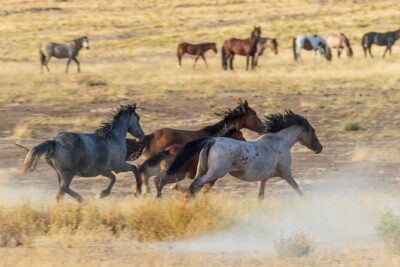 ★ 3.5Extra Luxury tour for up to 7 to Antelope Canyon X and HorseshoesFrom $4,1993 reviews
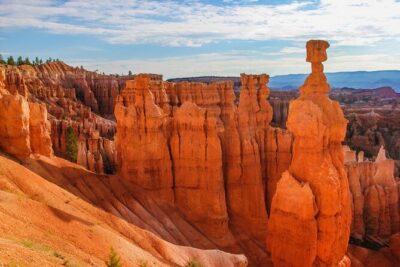 ★ 3.5Full-Day Small Group Tour in Bryce CanyonFrom $4153 reviews
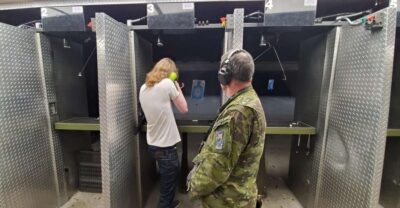
 ★ 4.6SAS Shooting Range ExperienceFrom $2293 reviews
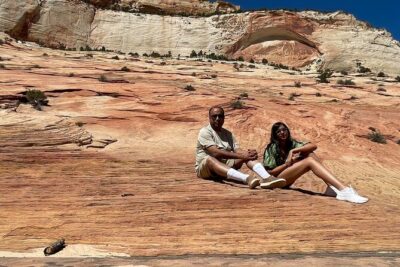 ★ 4.0Private Tour to Zion National Park from Las VegasFrom $4153 reviews