
7-Day: Zion, Bryce, Monument Valley, Arches and Grand Canyon Tour

REVIEW · GRAND CANYON DAY TRIPS FROM LAS VEGAS

7-Day: Zion, Bryce, Monument Valley, Arches and Grand Canyon Tour

5.0 · 183 reviews 7 days (approx.) From $1,675 Operated by Bindlestiff Tours · Bookable on Viator
Book on Viator →

Canyon country, packed into seven days. What I really love is the Navajo-guided Jeep in Monument Valley and the fact the trip stays small, topping out at 14 people. One main thing to weigh up: this is a fast-moving route, with long driving days and plenty of hiking baked in.

I also like how the trip handles the big stuff for you. You get air-conditioned transport, a live English guide with park commentary, six nights of lodging or camping, and national park entrance fees included on the main sites. You still have to choose your hike level each day, but the structure helps you spend more time looking at the views and less time figuring it all out.

Key highlights at a glance

7-Day: Zion, Bryce, Monument Valley, Arches and Grand Canyon Tour - Key highlights at a glance

  • Small group pace (up to 14): fewer people, more flexibility on trail options.
  • Zion with real menu choices: Emerald Pools and Temple of Sinawava type walks, plus the weather-dependent Narrows.
  • Arches and Delicate Arch: one of the signature hikes, with time to circle back on a second day.
  • Monument Valley with a Navajo guide: off-road Jeep time plus cultural context, not just photos.
  • Antelope Canyon and Grand Canyon in the same stretch: slot-canyon wonder paired with South Rim viewpoints.
  • Guide-led planning that adapts: your guide can steer you toward the right effort level for conditions.

Getting To Know the Rhythm: Las Vegas Start Time, Group Size, and the Big Loop

7-Day: Zion, Bryce, Monument Valley, Arches and Grand Canyon Tour - Getting To Know the Rhythm: Las Vegas Start Time, Group Size, and the Big Loop
Your day starts early. The tour meets at the Palms Hotel and Casino around 7:00 am, then you roll out into Utah and Arizona in a comfortable air-conditioned vehicle. The group is capped at 14, which makes a difference when everyone is shuffling for hikes, timing, and bathrooms on the road.

You’ll also feel the “loop” mindset right away. The tour is built around hitting the headline parks quickly, with short-to-mid hikes most days instead of one long day of one park. That’s great if you want value and variety, but you should go in knowing you are trading sleep-in time for scenery.

Transport is simple and predictable: you’re moved by minibus most days, and stops are planned so you can explore at a human pace. Just remember that even with options, you still need stamina for walking, stairs, and uneven trails.

Zion National Park First Day: Narrows Options, Emerald Pools, and Rim Landmarks

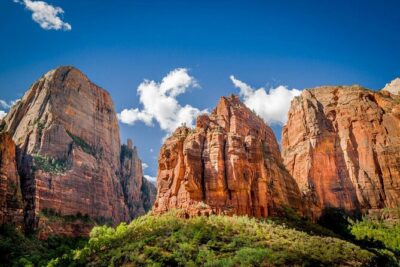
Zion is a strong opener because it gives you both big canyon drama and choices that match your legs. After the morning drive, you get free time to explore Zion at your own pace, which helps a lot after travel.

If you want classic, you can do the Emerald Pools area. This is the kind of hike that works as a warm-up: you’ll walk along paths tied to waterfalls and can pair it with sights like the Temple of Sinawava, the Great White Throne, and Weeping Rock. There’s also time to look at the Human History Museum if you want a slower cultural and geology stop.

If you want the signature river walk, you can choose The Narrows. It’s iconic, but it’s also weather-dependent for safety, so you’ll want to follow your guide’s call on conditions. The payoff is walking in the Virgin River with towering canyon walls closing in around you.

The real win on day one is that you’re not locked into one hard hike. You can aim for an easier trail, then return later or stretch your legs if you feel good.

Bryce Canyon’s Hoodoos: Rim Walks, Down-Cliff Hiking, and Weather Reality

7-Day: Zion, Bryce, Monument Valley, Arches and Grand Canyon Tour - Bryce Canyon’s Hoodoos: Rim Walks, Down-Cliff Hiking, and Weather Reality
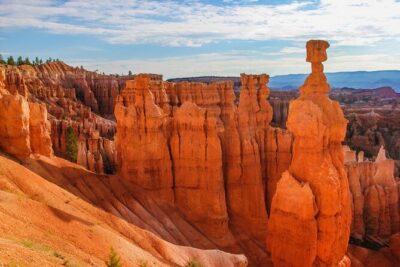
Bryce Canyon hits different from Zion. Instead of walls rising around you, you’re looking into an amphitheater of hoodoos, the strange and colorful rock spires Bryce is famous for.

After breakfast, you drive from Zion to Bryce Canyon and get a full block of time for a rim-focused experience. You can walk along the rim for sweeping views, which is ideal if you want more panorama and less strain. Or, if you want the immersive feeling, you can hike down among the hoodoos for a closer look at those shapes from street level.

One practical note: Bryce can get windy, and Monument Valley can too, based on what people report from the field. That means pack for temperature swings, not just one sunny-hour outfit.

If you’re deciding between rim views and a down-and-up hike, be honest about your energy. The route is busy. You’ll enjoy Bryce more if you pick the effort level you can repeat without feeling wrecked for the next day.

Arches National Park and Canyonlands: Delicate Arch, Moab Stories, and Second-Day Time

7-Day: Zion, Bryce, Monument Valley, Arches and Grand Canyon Tour - Arches National Park and Canyonlands: Delicate Arch, Moab Stories, and Second-Day Time
Arches National Park is about one thing first: stone formations that look like they were placed by an artist. The big task is hiking to Delicate Arch, a 65-foot freestanding formation and one of the park’s most photographed spots. You’ll have a set timeframe for that day’s hike, so you can plan your pace and not feel rushed at the trailhead.

After Arches, you head toward Canyonlands National Park near Moab, and this is where the trip widens its geology story. You’ll hear about how the Colorado and Green Rivers shaped the canyon country, and you’ll get local color tied to outlaws like Butch Cassidy and the Sundance Kid, who used these rugged canyons as hideouts.

Moab also pops in as more than just a pass-through. You may have options for extra activities around town, like a sunset Hummer-style tour or a canyoneering option, if you want something hands-on beyond the park trails.

What I like about building both Arches and Canyonlands into the same day is that the scenery styles change fast. You go from signature arches to river-carved canyons, and it keeps your brain engaged.

The drawback is simple: it can feel like you are moving all day. If you’re the type who needs long quiet time, you’ll want to choose shorter hikes and spend your energy where you truly care.

Another Day for Arches and Canyonlands: Why a Second Visit Matters

7-Day: Zion, Bryce, Monument Valley, Arches and Grand Canyon Tour - Another Day for Arches and Canyonlands: Why a Second Visit Matters
On day four, you get time to revisit Arches and Canyonlands, split into blocks for your own pace. This is one of the smartest design choices in the whole week because it gives you breathing room.

You might use the time to return to a formation you loved the day before. Or you might swap to a different trail option depending on heat, wind, or how your body feels. That flexibility matters when weather changes your comfort level even if your hiking plan stays the same.

A second day also helps you dodge the most common Southwest problem, crowds and timing. If you hit a viewpoint that felt busy, you can try again with a different schedule window. If a trail was too hot earlier, you can pick another later in the day.

In other words, the “two chances” approach is how you turn a packed tour into a more enjoyable one. You still cover a lot, but you don’t feel trapped in a single checklist.

Monument Valley Navajo Tribal Park: The Jeep Tour with a Local Guide

7-Day: Zion, Bryce, Monument Valley, Arches and Grand Canyon Tour - Monument Valley Navajo Tribal Park: The Jeep Tour with a Local Guide
Monument Valley is where the tour earns its keep as more than a photo stop. You travel there after a drive that passes by the shores of Lake Powell, then settle into one of the most iconic places in the American West.

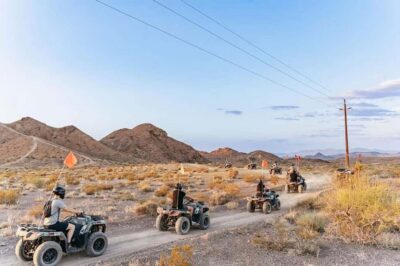
The centerpiece is the off-road Jeep tour led by a local Navajo guide. That’s the difference between simply seeing the red rock formations and actually understanding them. You’ll hear local context and land history in a way that clicks because it comes from the people who know the place.

As night falls, you also get that wide-sky feeling that’s hard to get near cities. People love the star-filled view because the light pollution is lower and the open horizon does the work for you.

This is also a day where wind can affect comfort, so bring layers. If you’re camping later, this is a good time to remind yourself that the Southwest can shift from sunny warmth to cool air quickly.

Antelope Canyon and Horseshoe Bend, Then the Grand Canyon South Rim

7-Day: Zion, Bryce, Monument Valley, Arches and Grand Canyon Tour - Antelope Canyon and Horseshoe Bend, Then the Grand Canyon South Rim
Day six is your slot-canyon and Grand Canyon day, and it’s structured so you’re not traveling blind. You stop at a Navajo trading post for a brief visit before you head toward Antelope Canyon.

Antelope Canyon is an optional tour, and the entrance fee is not included. That matters because you’ll want to decide on the spot if the experience fits your budget. Still, if you’re chasing that slot-canyon look, this is one of the best ways to see it without building your own logistics.

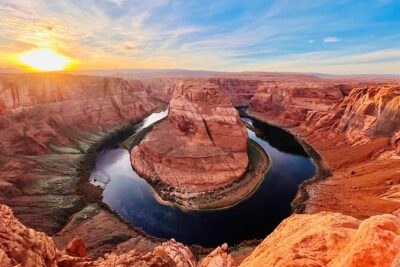
After Antelope Canyon, you go to Horseshoe Bend for a scenic walk. It’s short, but it’s dramatic, and it gives you that bend-in-the-river view that feels almost impossible the first time you see it in person.

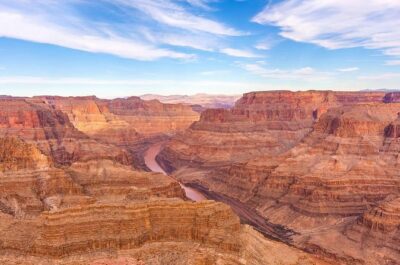
Then you roll into the Grand Canyon South Rim. You’ll get time to stroll along the rim, aim for sunset viewpoints, or hike down into the canyon depending on what your legs can handle. There’s also a rim-side café option if you want a quick sit-down break.

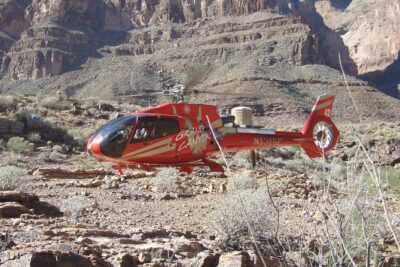
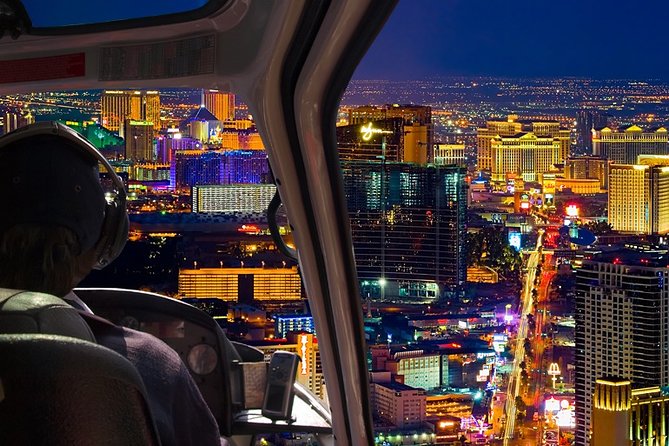
If you want an extra perspective, a helicopter ride can be added. It’s not included, but for people who have already hiked a lot, the appeal is clear: you get the canyon scale without extra trail time.

Camping vs Hotels: What Changes Comfort, Meals, and What You Must Pack

7-Day: Zion, Bryce, Monument Valley, Arches and Grand Canyon Tour - Camping vs Hotels: What Changes Comfort, Meals, and What You Must Pack
You can choose between shared tent camping or shared hotel lodging of 3-star quality or higher. Campsites are typically set up with helpful extras like Wi-Fi, laundry, and hot showers, and some may even offer outdoor hot tubs or pools.

But camping comes with very real prep. Sleeping bags are not provided, and you’ll need to bring your own. If you don’t have one, your guide may stop at a store so you can buy one.

You also set up your own tent with help from the guide. That sounds simple, but after a long drive day, it helps if you practice calm efficiency: pack in a way that makes setup quick and keep your sleeping gear together.

Meals are also part of the camping trade-off. Dinners are prepared at the campsite and they’re a communal effort, participation required. Vegetarian meals can be arranged if you request it in advance.

Water is another practical point. Bottled water is not provided, so bring a refillable container and use refill stops along the way.

For hotel folks, the basic idea is easier. You still get hiking and full days, but you remove the setup grind and get your own sleeping comfort. Rooms are shared, typically set as two people per room, with the exact arrangement depending on your group size.

Trail Planning and Day-to-Day Logistics: Staying Warm, Hydrated, and On Track

This is a hiking tour, and the level can vary day to day. The good news is your guide can steer you toward trails suited to your ability and the conditions. The not-so-good news is that you will do a fair amount of walking, so you should be in decent shape before you go.

The best packing approach is layers. You may experience both warm and cool temperatures, and it’s smart to bring warm socks and a sweater or hooded jacket. Closed-toe shoes, plenty of sunscreen, and a hat are essential, because the desert sun can be intense even when the air feels cooler.

For comfort, also plan for wind. People report it can get windy in places like Bryce and Monument Valley, so bring something that cuts wind and keeps your head warm if you get chilled after sun drops.

Stay aware that The Narrows is weather-dependent. Your guide will help you make the safety call, but you’ll still want to stay flexible.

Also, don’t ignore the small logistics: luggage is limited to one piece and a small carry-on per person, with a weight limit noted at 44 lbs (20 kg). If you pack light, the week feels smoother.

Guides Make the Difference: Names You Might Hear and Why It Matters

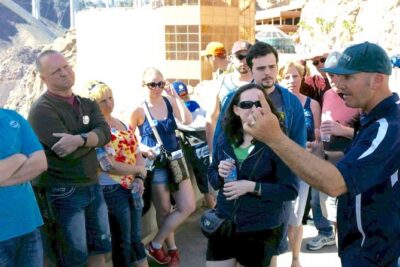
A big reason this tour stays high in satisfaction is the human factor. People consistently praise guides for organization, extra helpful stops, and turning park information into something you can actually remember.

You may meet guides like Craig, John, Chloe, Vern, Justin, Cari, or J.D. Boyle, based on what shows up in real experiences. Across different guides, the common theme is active management: helping with check-in, pointing you to good places to eat in the evenings, and making sure everyone knows the plan for that day’s hikes.

Some guides also add small extras that make the route feel less generic. For example, you might get a Route 66-style photo stop on the way back, or a quick detour for a fun roadside sight. It’s not guaranteed, but it’s the kind of thing that turns a rigid schedule into a more personal road trip.

And yes, tipping comes up. In the US, tipping is customary and discretionary, so if you do appreciate the guide, plan for that.

Value for Money in a Week of Zion, Bryce, Arches, and the Grand Canyon

At $1,675.80 per person, this is not a budget getaway. The value comes from the parts that are usually the headache when you plan a road trip: transport, a guide, and park entry fees on the main sites.

You get transportation by air-conditioned mini-bus, a professional guide, and a free downloadable app with tour commentary in multiple languages, even though live commentary is in English. You’re also paying for guided park time across multiple sites, plus the Navajo-guided Jeep tour in Monument Valley.

Accommodation is included for six nights, either in shared tent camping or shared hotel rooms, which lowers your biggest planning burden. You also get multiple breakfasts and lunches, plus dinners aligned to the tour’s meal structure, though you do pay a meal supplement or kitty on day one depending on camping versus lodging.

Where you should be careful is what’s not included. Antelope Canyon entrance fees are not included, and helicopter flights are optional and extra. If you’re the kind of traveler who wants every add-on, the final total can rise.

There’s also a trade-off cost in attention. This tour is packed, and you’ll have less time for long lounge breaks in each park. If you want slow and deep, you might feel rushed. If you want to check off the big five plus the Grand Canyon in one go, this is built for you.

Should You Book This Tour, or Build Your Own Route?

Book it if you want a guided, small-group Southwest sampler that hits Zion, Bryce, Arches, Canyonlands, Monument Valley, Antelope Canyon, Horseshoe Bend, and the Grand Canyon South Rim in one week. You’ll like the structure, the included park fees on most stops, and the way guides help you choose the right hiking effort.

Skip it or adjust your expectations if you hate packed days, want lots of quiet time in one park, or plan to do very demanding hikes every day. Also think twice if you dislike camping logistics, because a sleeping bag and tent setup are required for the camping option.

My practical takeaway: this tour is best for active people who want maximum national park time with minimal planning stress. If that sounds like your style, you’ll probably have a week you remember for years.